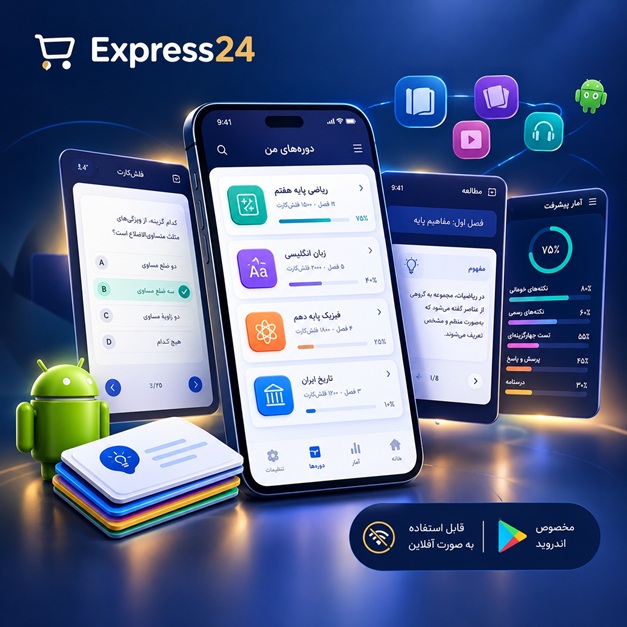
اپلیکیشن اندرویدی فلشکارت آموزشی ریشهشناسی اسم در زبان سانسکریت
🎓 دوره آموزشی جامع
📚 اطلاعات دوره
عنوان دوره: دوره ریشهشناسی اسم در زبان سانسکریت
موضوع کلی: زبانشناسی و آموزش زبانهای باستانی
موضوع میانی: اسم و صفت در زبانهای باستانی
📋 سرفصلهای دوره
- 1. Fundamentals of Sanskrit noun etymology and its importance in root analysis
- 2. Distinguishing between dhatu (root) and nama (noun) in Sanskrit morphology
- 3. Identifying primary noun roots and their semantic categories
- 4. Analysis of common Sanskrit noun prefixes (upasarga) and meaning modification
- 5. Stem formation (anga) and its connection to underlying roots
- 6. Case systems (vibhakti) and how they interact with root meaning
- 7. Gender (linga) assignment in Sanskrit nouns and etymological insights
- 8. Number (vacana) patterns: singular, dual, plural from root perspectives
- 9. Sanskrit nominal compounds (samasa) and their root decomposition
- 10. Verbal nouns (bhavya) and their relationship to original dhatus
- 11. Etymological study of Sanskrit nouns related to human anatomy
- 12. Etymological study of Sanskrit nouns related to cosmic concepts
- 13. Impact of sandhi (phonetic change) on noun root identification
- 14. Comparative etymology: Sanskrit roots cognates in Indo-European languages
- 15. Methodology for deconstructing unknown Sanskrit nouns using root analysis
- 16. Role of affixes (pratyaya) in noun derivation from roots
- 17. Analysis of abstract nouns and their concrete root origins
- 18. Practical exercise: root-to-noun derivation for 50 common Sanskrit nouns
- 19. Historical evolution of Sanskrit noun roots and semantic shift
- 20. Digital tools and resources for Sanskrit noun root analysis
- 21. Error analysis: common mistakes in identifying noun roots
- 22. Integrating root analysis into Persian-to-Sanskrit translation exercises
- 23. Advanced: multi-root compounds and nested etymology
- 24. Root analysis in Sanskrit philosophical texts (e.g., Vedanta terminology)
- 25. Root analysis in Sanskrit poetic meters and word choice
- 26. Cross-linguistic influence: Persian/Arabic loans in Sanskrit and root adaptation
- 27. Systematic approach to building a Sanskrit noun root database
- 28. Teaching strategies for Sanskrit root analysis in classroom settings
- 29. Assessing student mastery of noun root identification
- 30. Designing quizzes and exercises focused on root deconstruction
- 31. Common noun root patterns: CVC, CCVC, and their semantic implications
- 32. Root modification through reduplication in Sanskrit nouns
- 33. Etymological analysis of direction and motion nouns in Sanskrit
- 34. The role of proto-Indo-European reconstructions in understanding Sanskrit roots
- 35. Practical transliteration considerations when analyzing noun roots
- 36. Sanskrit noun roots in Ayurvedic and medical terminology
- 37. Root-based mnemonic techniques for vocabulary retention
- 38. Analyzing sociocultural concepts through Sanskrit noun etymology
- 39. Digital humanities projects for Sanskrit noun root mapping
- 40. Integrating root analysis with modern language pedagogy
- 41. Case study: Complete root analysis of 100 Sanskrit nouns from Rgveda
- 42. Identifying false friends and misleading etymologies in Sanskrit nouns
- 43. The impact of dialectal variations on Sanskrit noun root consistency
- 44. Using frequency lists to prioritize noun root learning
- 45. Root analysis for Sanskrit natural language processing applications
- 46. Designing a curriculum module around Sanskrit noun roots for beginners
- 47. Advanced: reconstructing proto-roots from attested Sanskrit derivatives
- 48. Comparative study: Sanskrit noun roots vs. Avestan noun roots
- 49. Ethical and effective use of AI tools in Sanskrit etymology research
- 50. Publishing research findings on Sanskrit noun roots in academic formats
- 51. Practical workshop: live root-deconstruction session for selected nouns
- 52. Mapping Sanskrit noun roots to conceptual taxonomies
- 53. Root survival and obsolescence in later Sanskrit literature
- 54. Creating open educational resources (OER) for Sanskrit root analysis
- 55. Future directions: interdisciplinary studies combining Sanskrit roots with cognitive science
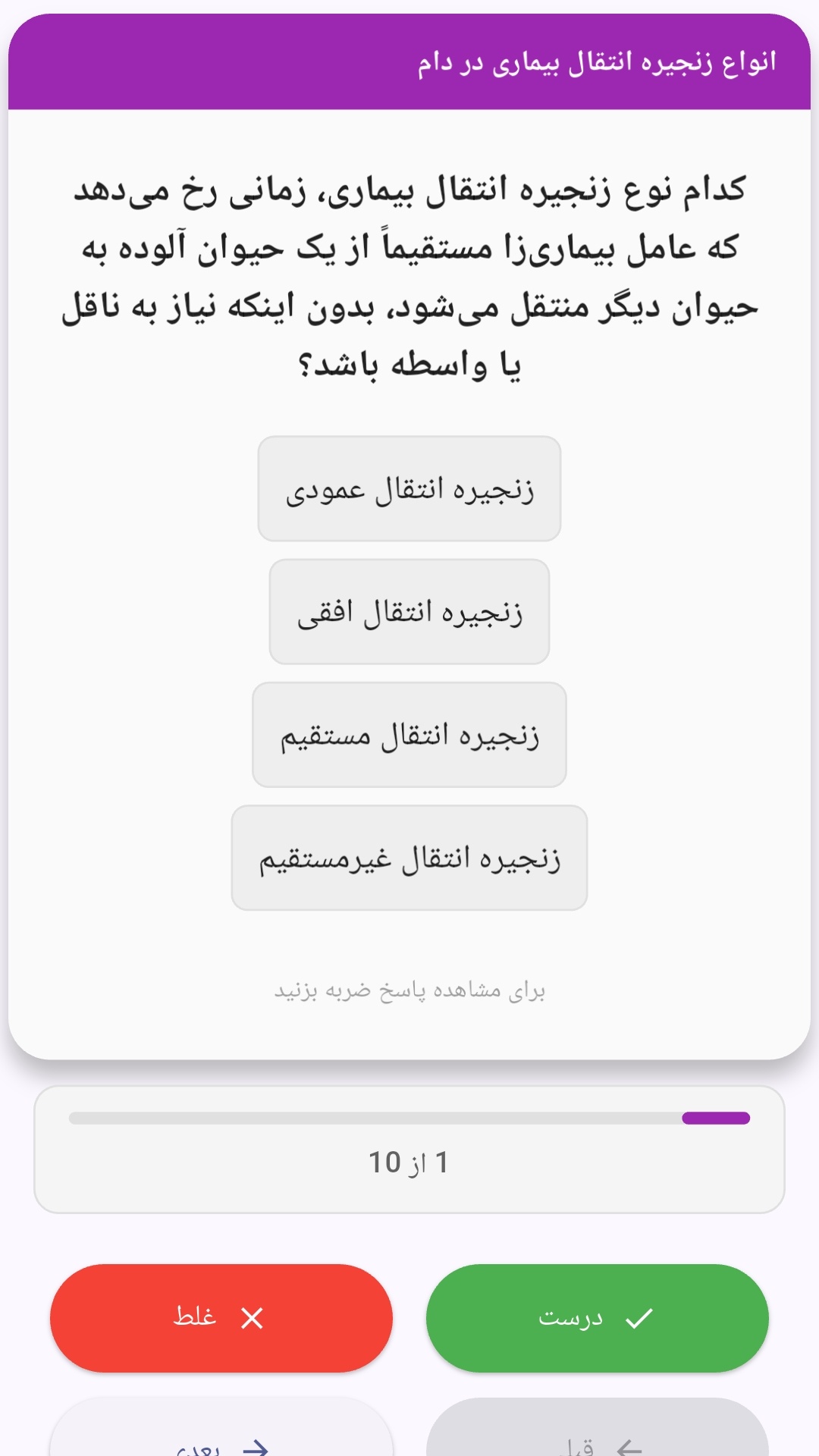
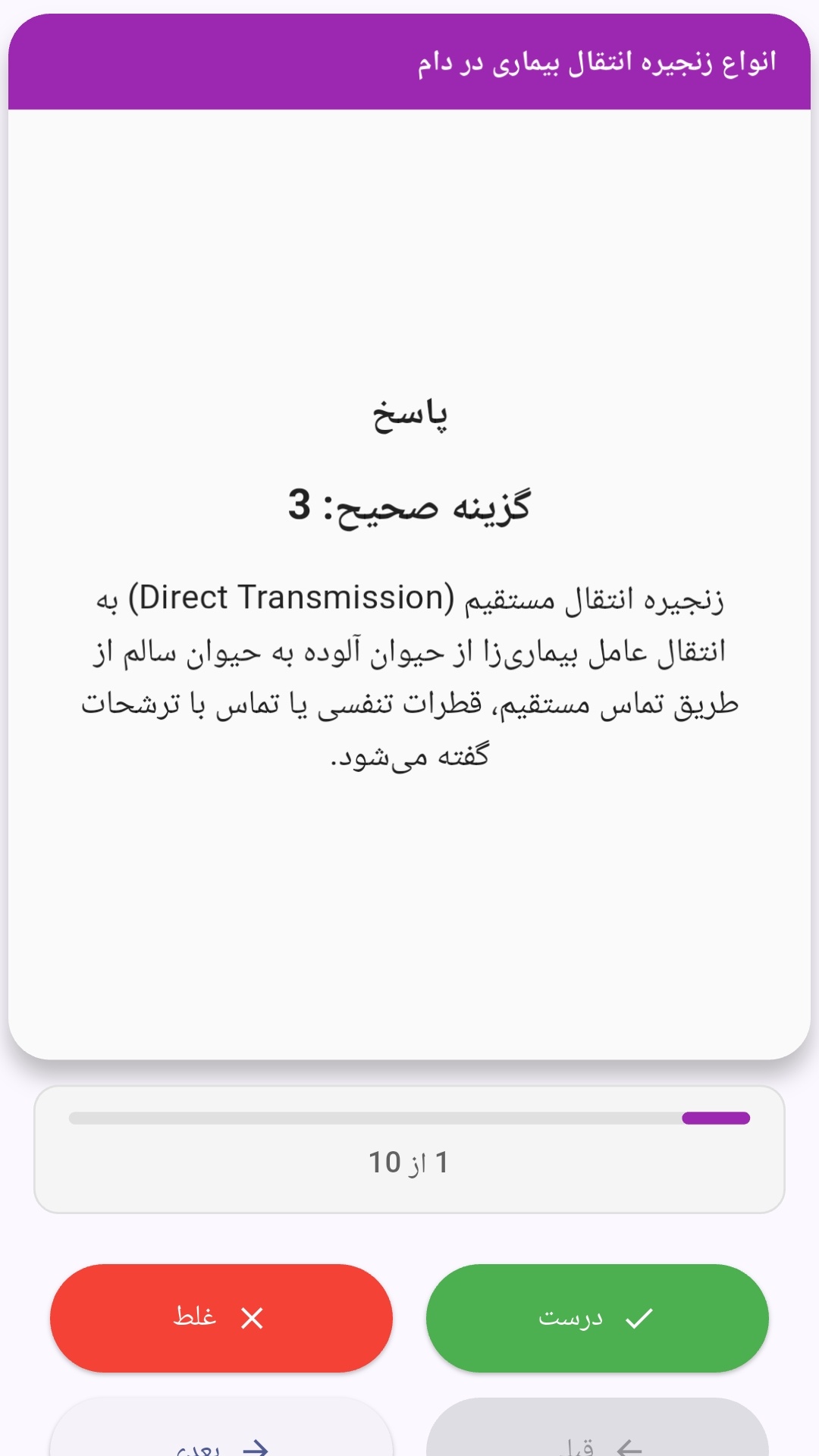
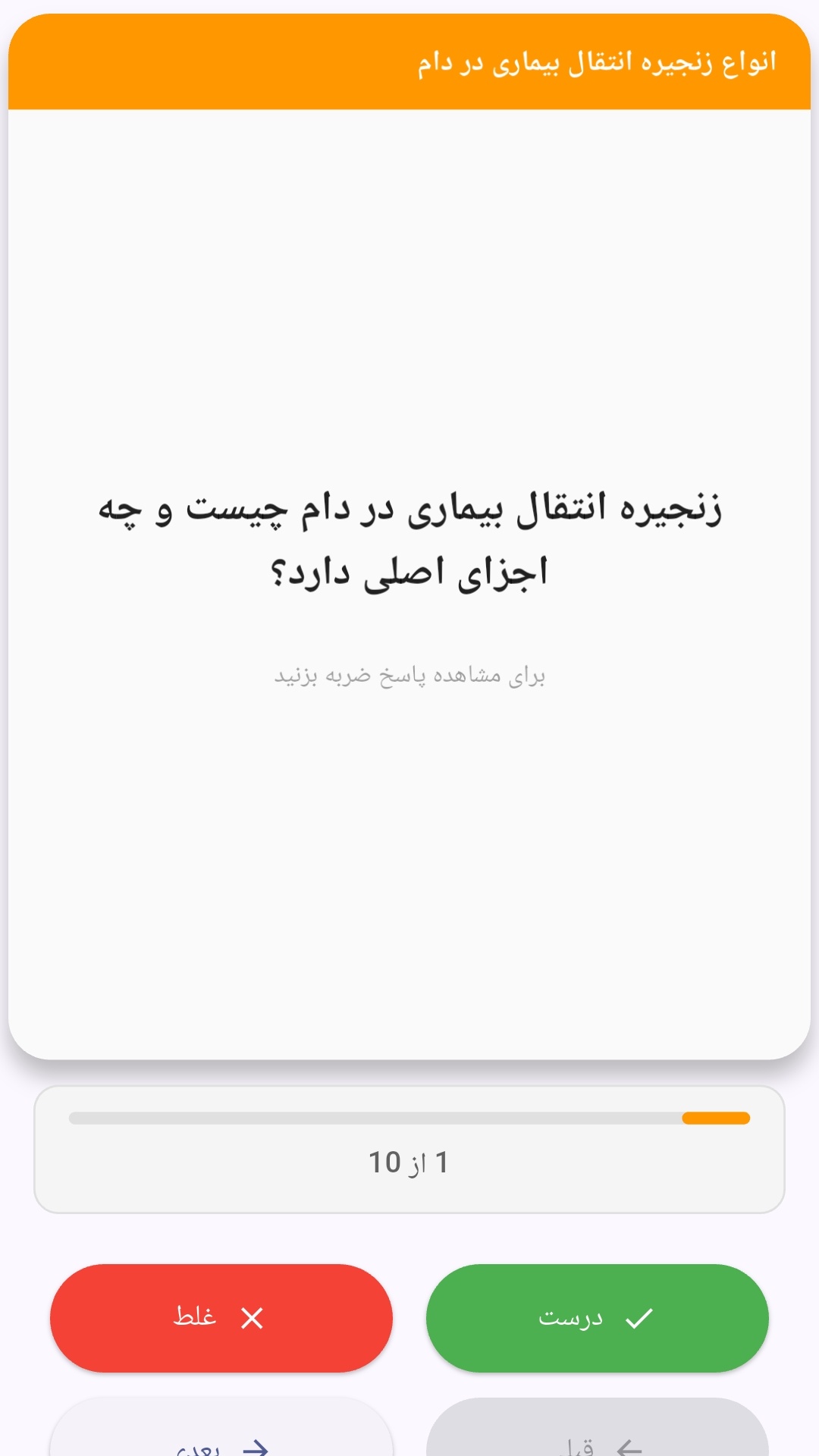
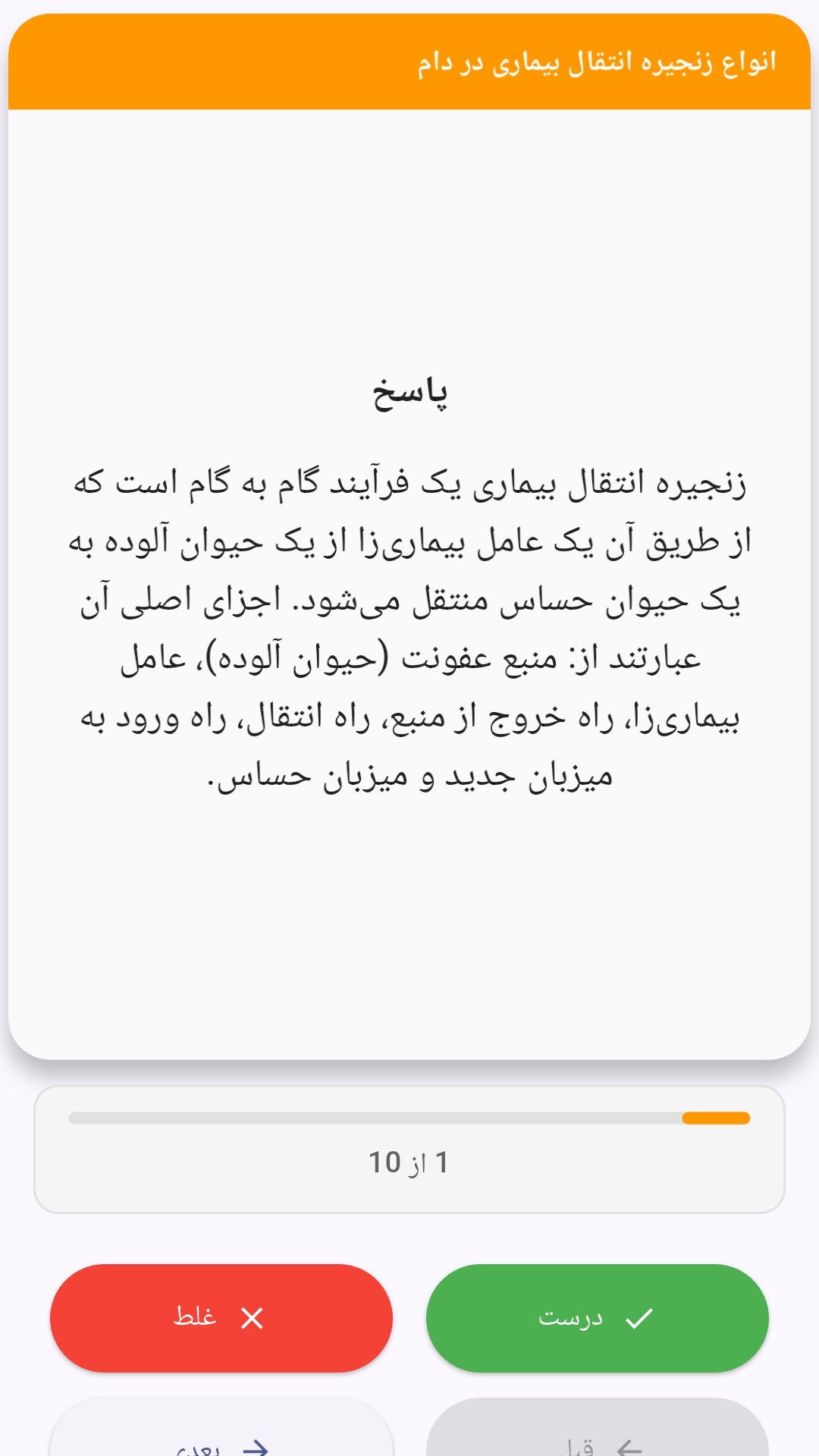
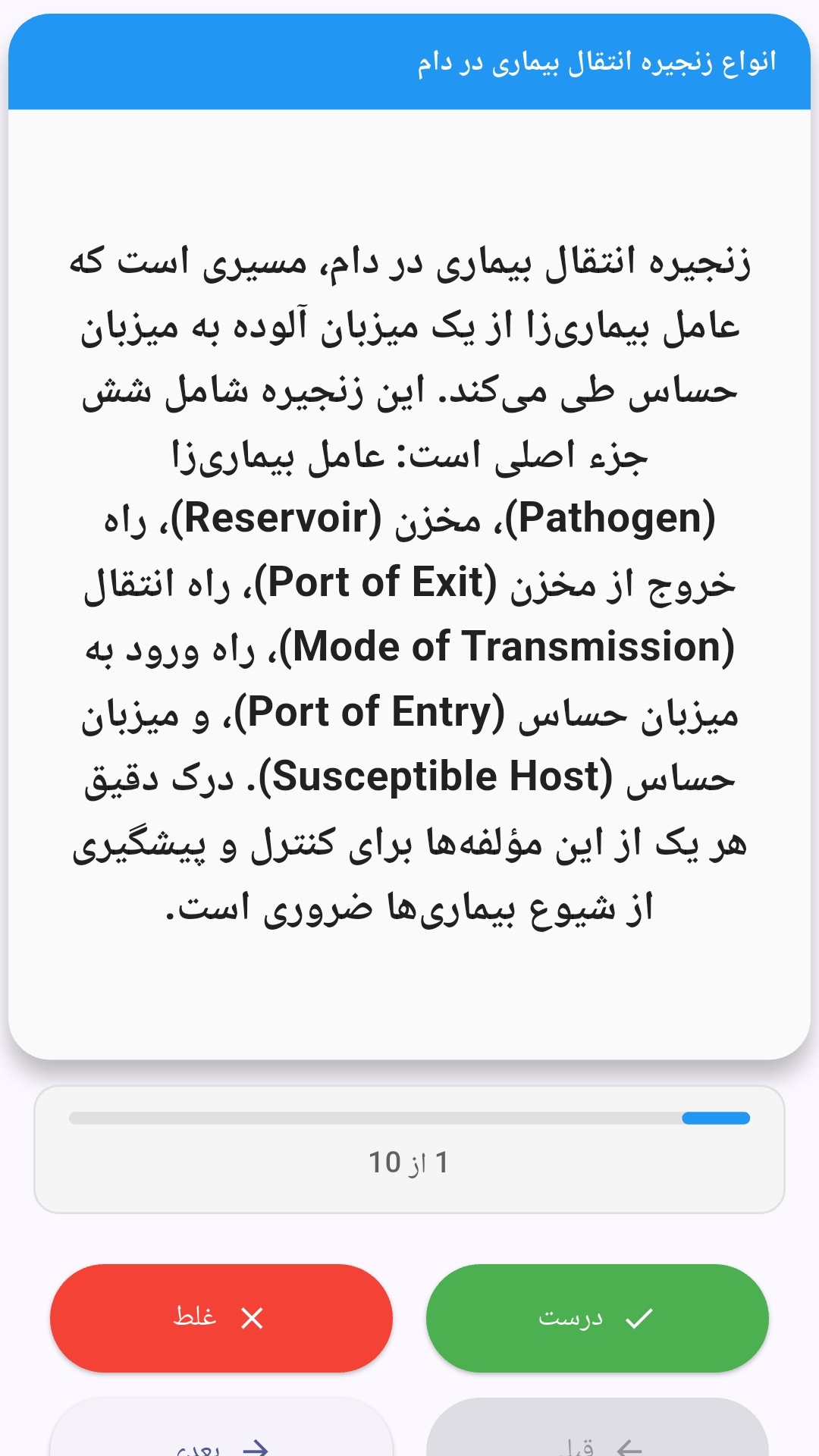
این اپلیکیشن فارسی برای یادگیری و مرور محتوای آموزشی از طریق فلشکارت طراحی شده است. کارتها را یکییکی مرور کنید، پاسخ پرسشها را به یاد بیاورید و نتیجه هر پاسخ را ثبت کنید. محتوای دوره پس از نصب درون برنامه در دسترس است تا برای مطالعه روزمره معمولاً به اتصال مداوم اینترنت نیاز نداشته باشید.
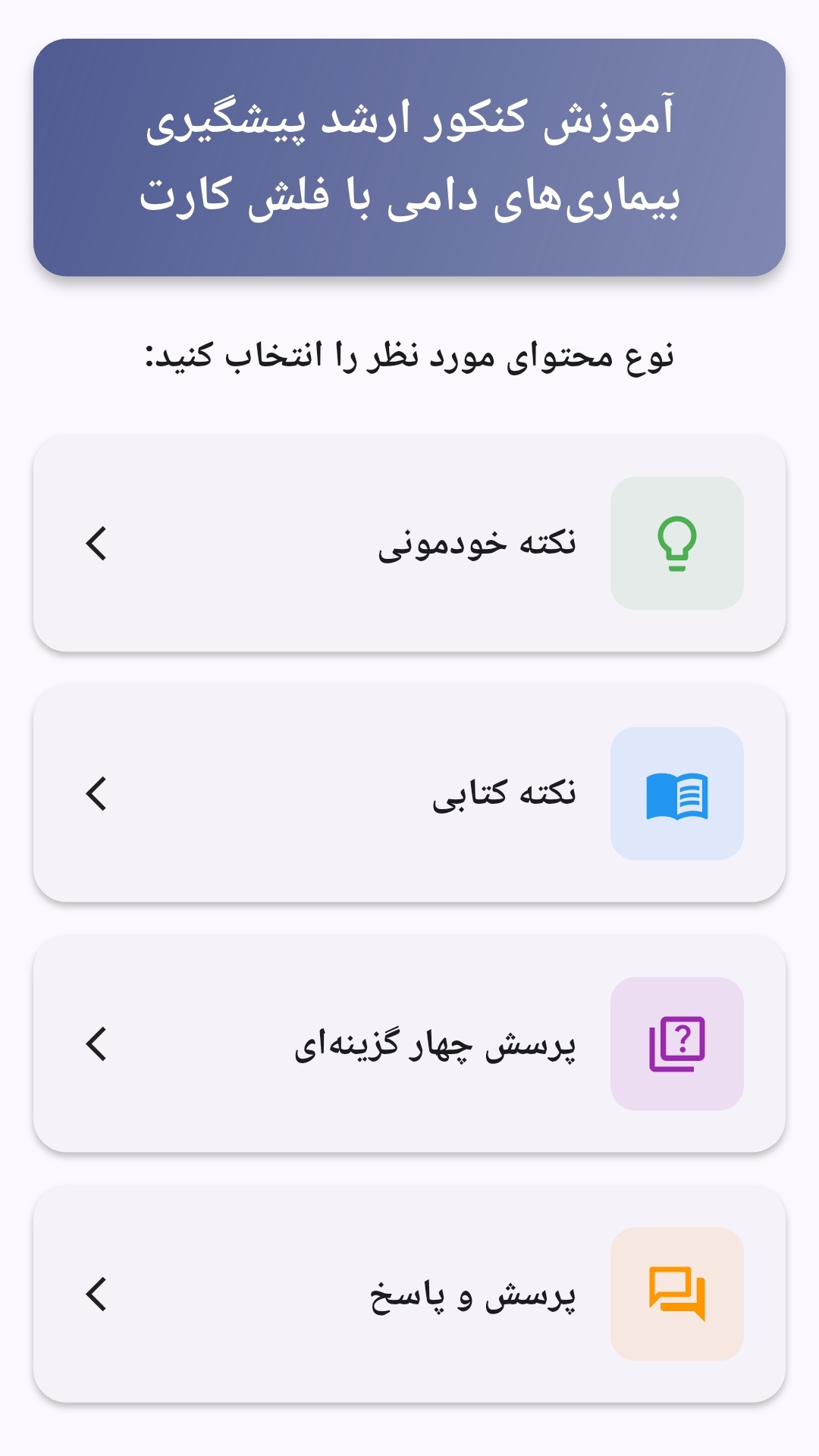
محتوای آموزشی در قالبهای متنوع ارائه میشود تا هم برای یادگیری مفاهیم جدید و هم برای تثبیت آموختهها قابل استفاده باشد.
- رابط کاربری فارسی و راستچین با فونت وزیر.
- تم روشن و تیره مطابق تنظیمات سیستم.
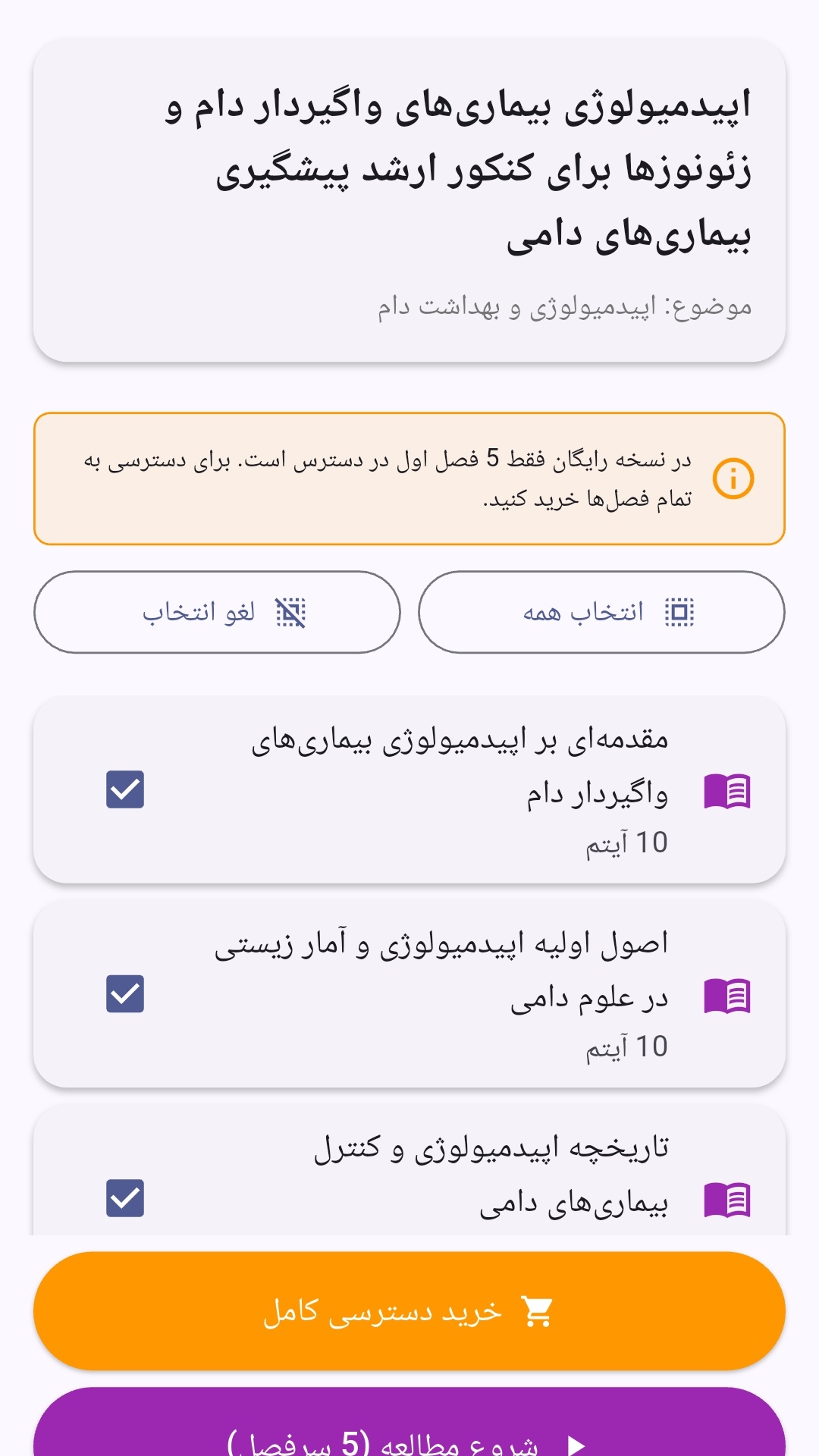
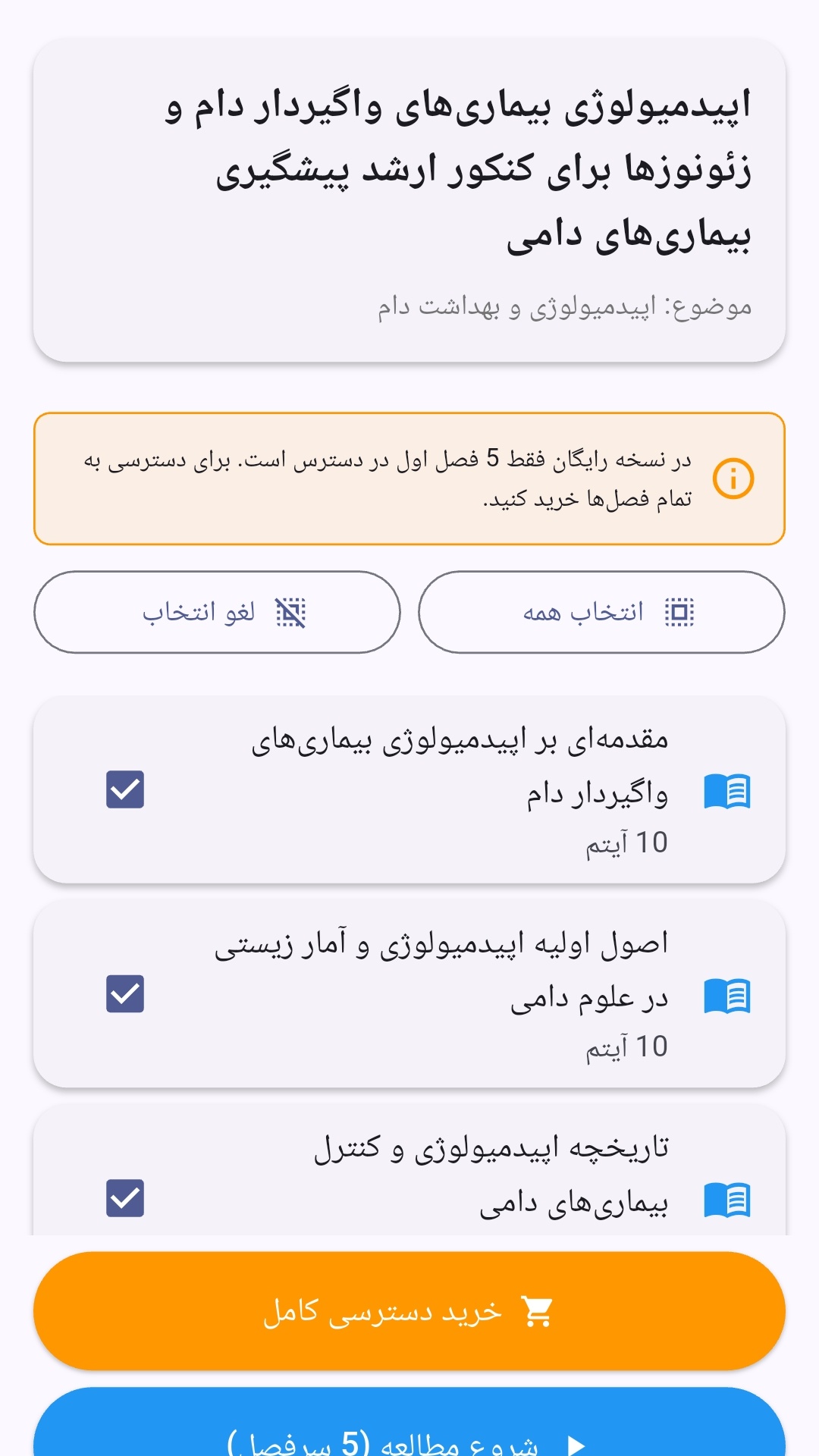
- صفحهبندی ساده برای انتخاب دوره و شروع مرور.
- نمایش تعداد دفعات مرور هر فصل.
- انتخاب چند فصل برای مرور همزمان.
- امکان تمرکز بر فصلهایی که هنوز مرور نشدهاند.
این اپلیکیشن برای دانشآموزان، دانشجویان، داوطلبان آزمونها و علاقهمندان به یادگیری طراحی شده است؛ بهویژه کسانی که میخواهند مطالب آموزشی را در زمانهای کوتاه مرور کنند، دانستههای خود را بسنجند و مطالعه منظمتری داشته باشند.
نظرات
هنوز نظری ثبت نشده است.
وارد شوید تا نظر ثبت کنید.