اپلیکیشن اندرویدی فلشکارت آموزشی کاربردهای پیشرفته یادگیری تقویتی چندعامله در اکتشاف فضایی و رباتیک ماهنورد
🎓 دوره آموزشی جامع
📚 اطلاعات دوره
عنوان دوره: دوره کاربردهای پیشرفته یادگیری تقویتی چندعامله در اکتشاف فضایی و رباتیک ماهنورد
موضوع کلی: یادگیری تقویتی چندعامله (MARL)
موضوع میانی: کاربردهای پیشرفته MARL
📋 سرفصلهای دوره
- 1. Introduction to Multi-Agent Reinforcement Learning
- 2. Core concepts: agents, environments, rewards in MARL
- 3. Comparison of single-agent vs multi-agent RL
- 4. Overview of MARL algorithms: Q-learning, policy gradients
- 5. Centralized training with decentralized execution (CTDE)
- 6. Value-based MARL: VDN, QMIX
- 7. Policy-based MARL: MADDPG, COMA
- 8. Communication protocols in MARL
- 9. Handling partial observability in multi-agent settings
- 10. Exploration strategies for MARL
- 11. Credit assignment problems and solutions
- 12. Scalability challenges in large-scale MARL
- 13. Simulation environments for space robotics (Gazebo, ROS, etc.)
- 14. Modeling lunar terrain and lighting conditions
- 15. Dynamics of lunar rovers and manipulators
- 16. Sensor modeling: LIDAR, cameras, inertial units for MARL
- 17. Safety constraints and risk-aware MARL
- 18. Multi-objective MARL for mission success and resource conservation
- 19. Hierarchical MARL for high-level task decomposition
- 20. Curriculum learning for complex lunar missions
- 21. Transfer learning from terrestrial to lunar MARL agents
- 22. Domain adaptation techniques for varying lighting and dust
- 23. Multi-agent path planning on lunar surface
- 24. Cooperative localization and mapping (SLAM) with MARL
- 25. Distributed decision-making for rover convoys
- 26. Fault tolerance and recovery in MARL-driven rover teams
- 27. Energy-aware MARL for power-limited lunar operations
- 28. MARL for autonomous sample collection and analysis
- 29. MARL-driven autonomous drilling and excavation
- 30. Swarm robotics concepts applied to lunar exploration
- 31. Emergent behaviors in MARL lunar swarms
- 32. Communication latency and bandwidth constraints in MARL
- 33. Using mesh networks for inter-rover communication
- 34. Event-triggered communication to reduce bandwidth
- 35. MARL for autonomous habitat construction
- 36. MARL for in-situ resource utilization (ISRU) coordination
- 37. MARL-driven dust mitigation strategies
- 38. MARL for scientific experiment prioritization
- 39. Real-time MARL with edge computing on rovers
- 40. Low-latency inference optimization for MARL policies
- 41. Hardware-in-the-loop testing of MARL lunar rovers
- 42. Simulation-to-real (Sim2Real) transfer for lunar MARL
- 43. Safety verification and validation of MARL policies
- 44. Formal methods for verifying MARL lunar missions
- 45. Ethical considerations and planetary protection in MARL
- 46. MARL for autonomous navigation in permanently shadowed regions
- 47. MARL for navigating crater rims and steep slopes
- 48. MARL for teleoperation assistance and shared control
- 49. MARL for autonomous rendezvous and docking of lunar landers
- 50. MARL for coordinating orbiters and surface agents
- 51. MARL for space debris avoidance near lunar orbit
- 52. MARL for autonomous refueling and servicing missions
- 53. MARL for multi-modal perception fusion (vision, LIDAR, thermal)
- 54. MARL for adaptive locomotion (legged, wheeled, hybrid) on regolith
- 55. MARL for learning locomotion policies from demonstration
- 56. MARL for cooperative load carrying and manipulation
- 57. MARL for autonomous assembly of lunar structures
- 58. MARL for swarm-based seismic sensing networks
- 59. MARL for monitoring and predicting lunar dust storms
- 60. MARL for adaptive lighting compensation in imaging
- 61. MARL for long-duration mission planning and replanning
- 62. MARL for handling unexpected events (micrometeoroid impacts)
- 63. MARL for autonomous scientific hypothesis generation
- 64. MARL for multi-rover data fusion and decision making
- 65. MARL for swarm-based antenna array deployment
- 66. MARL for autonomous navigation using celestial navigation
- 67. MARL for integrating with ground station scheduling
- 68. MARL for fault detection and isolation (FDI) in rover subsystems
- 69. MARL for adaptive communication power control
- 70. MARL for end-to-end mission autonomy from launch to surface operations
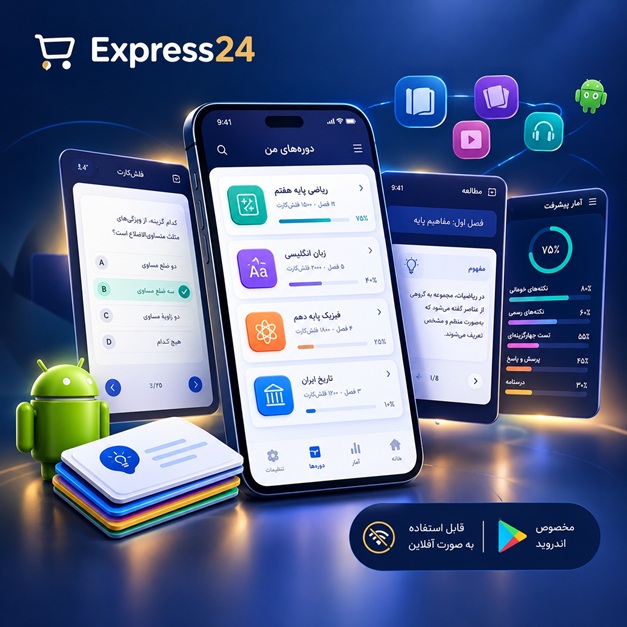
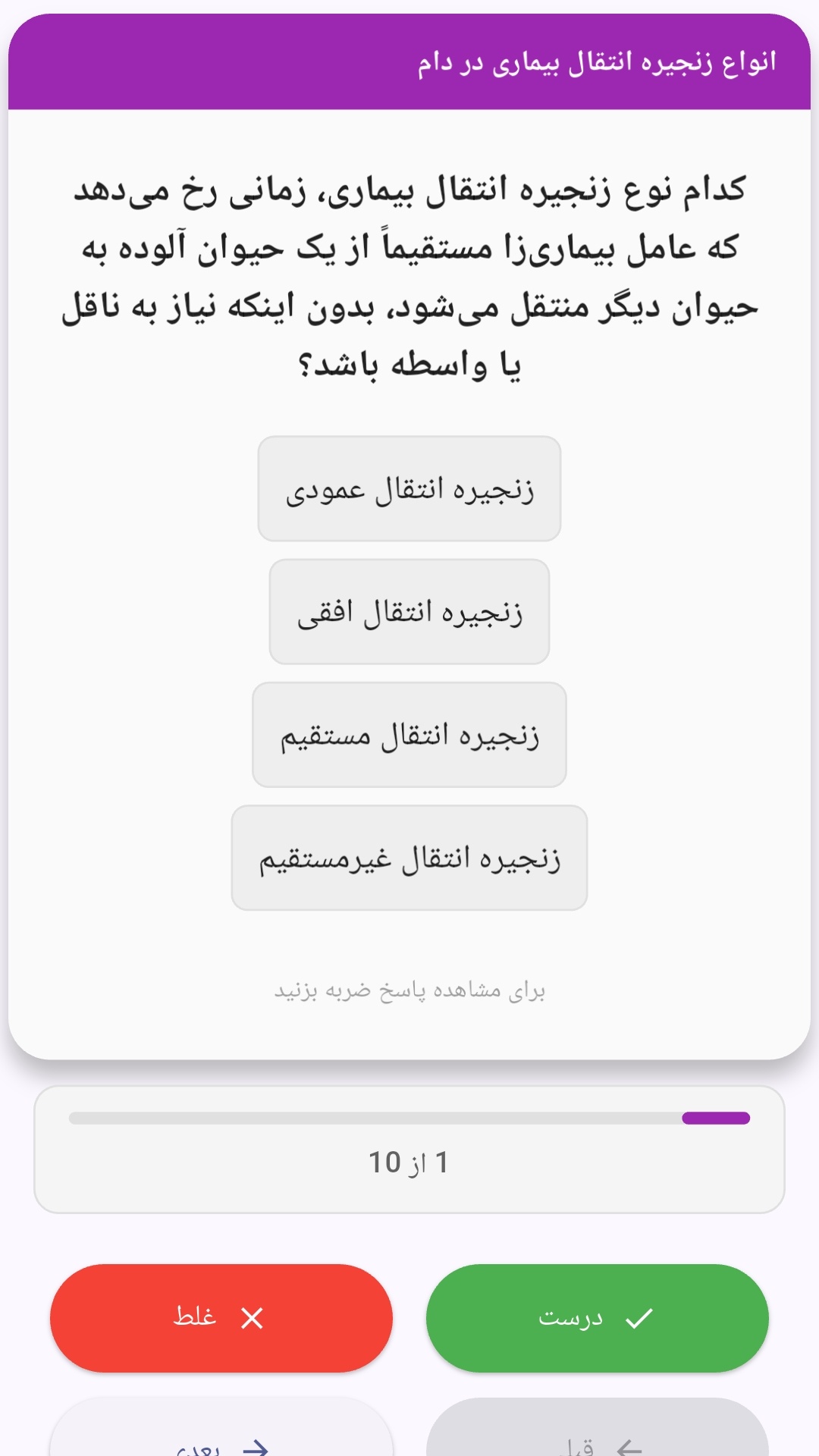
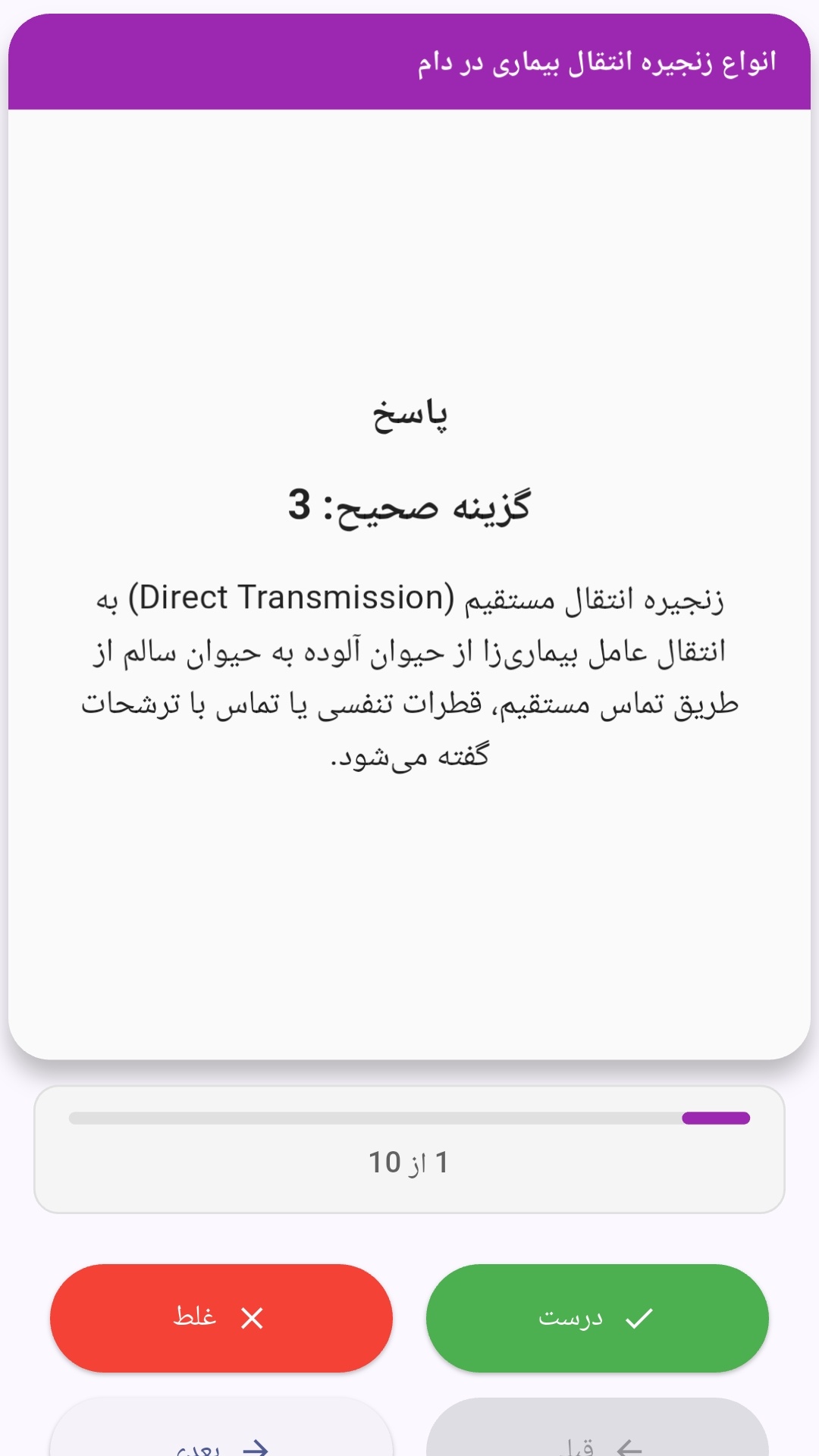
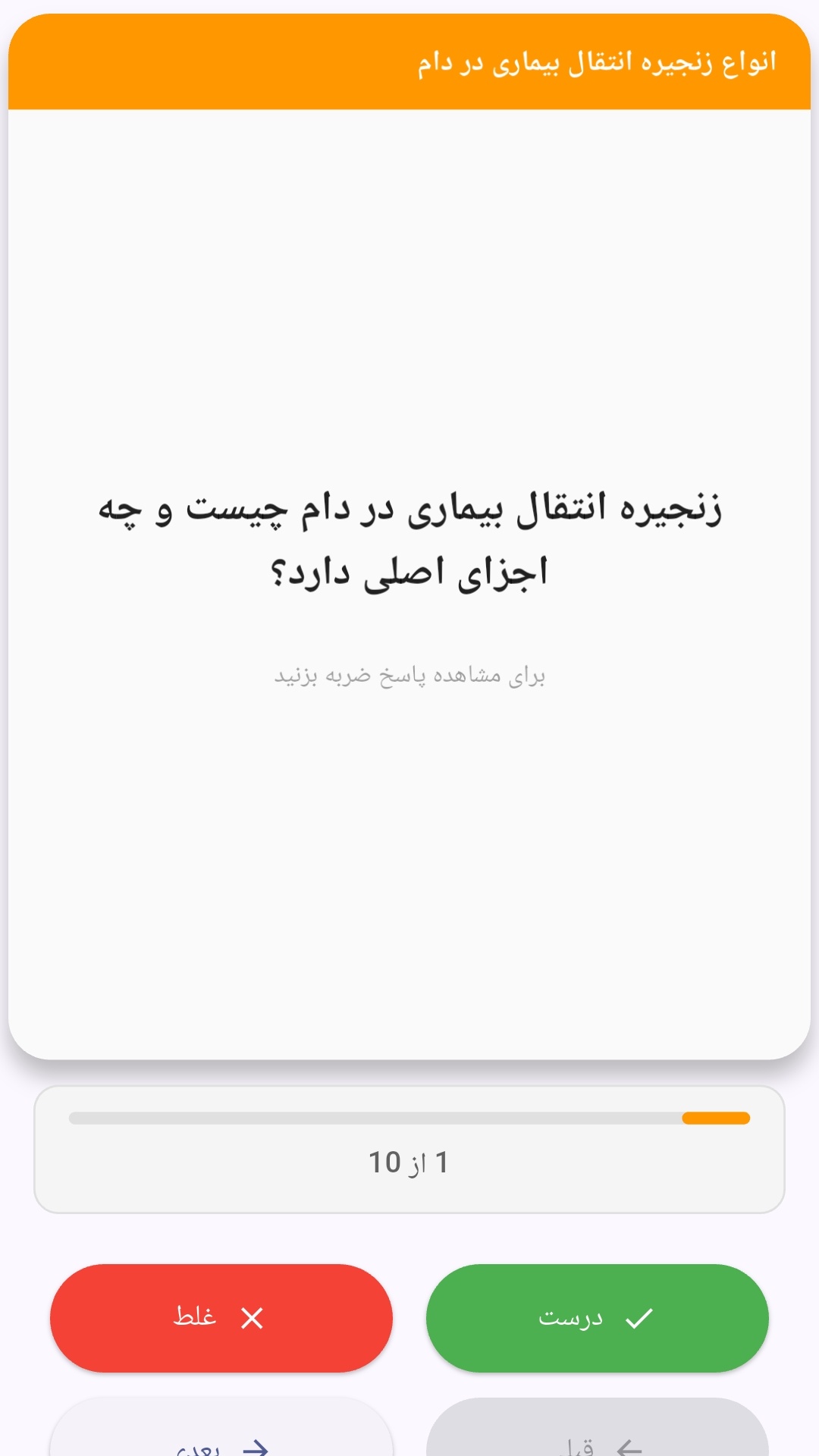
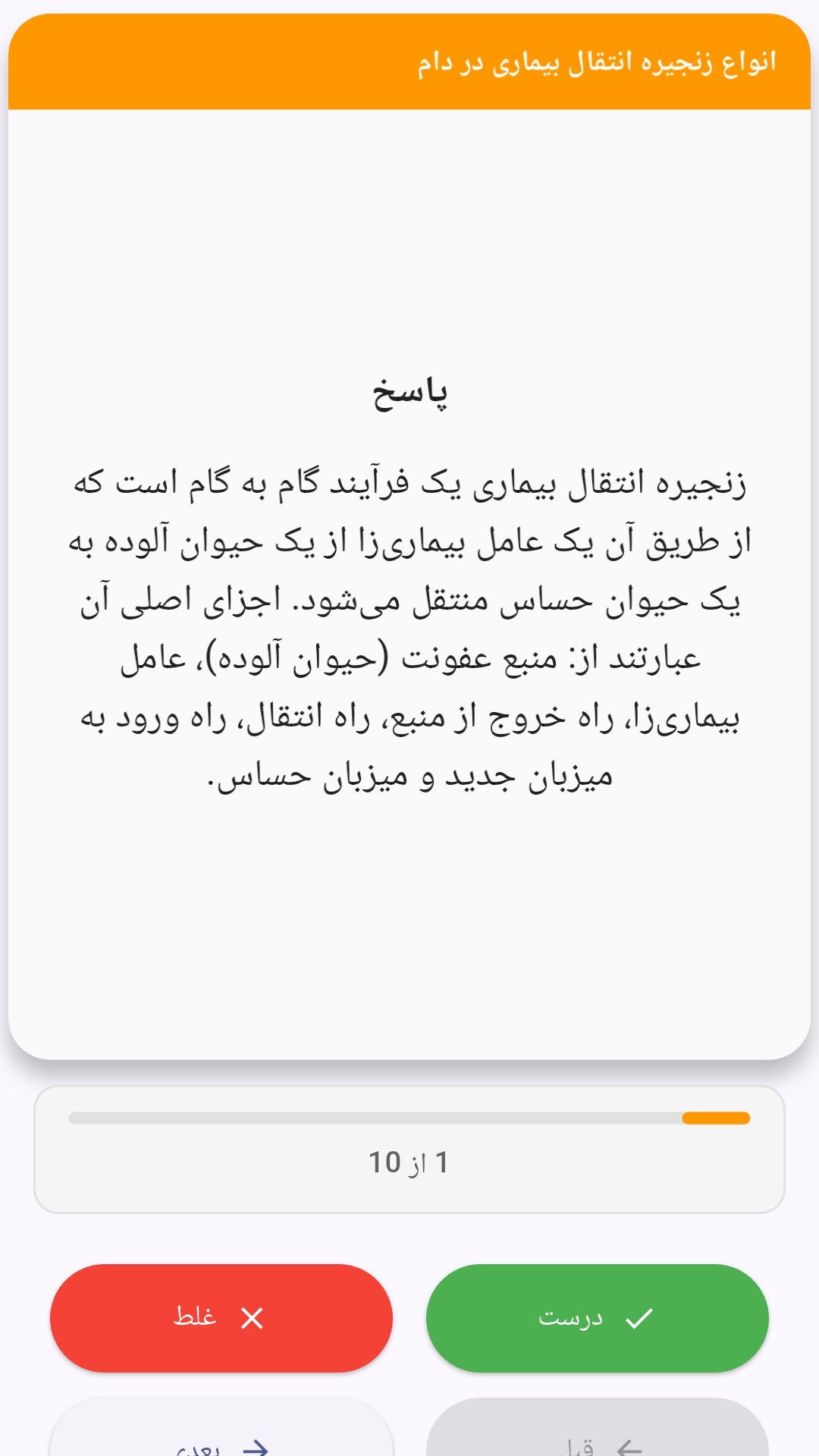
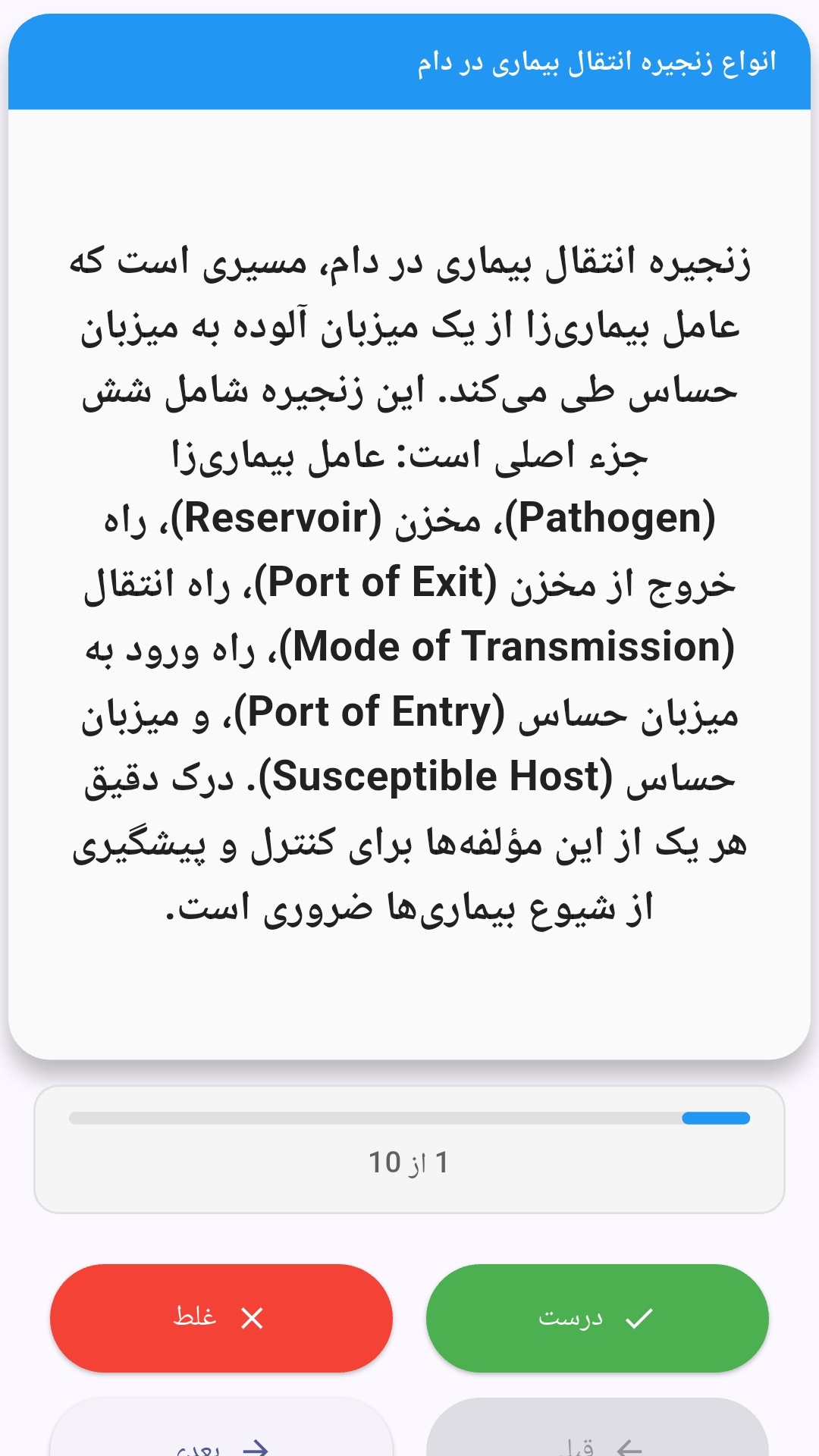
این اپلیکیشن فارسی برای یادگیری و مرور محتوای آموزشی از طریق فلشکارت طراحی شده است. کارتها را یکییکی مرور کنید، پاسخ پرسشها را به یاد بیاورید و نتیجه هر پاسخ را ثبت کنید. محتوای دوره پس از نصب درون برنامه در دسترس است تا برای مطالعه روزمره معمولاً به اتصال مداوم اینترنت نیاز نداشته باشید.
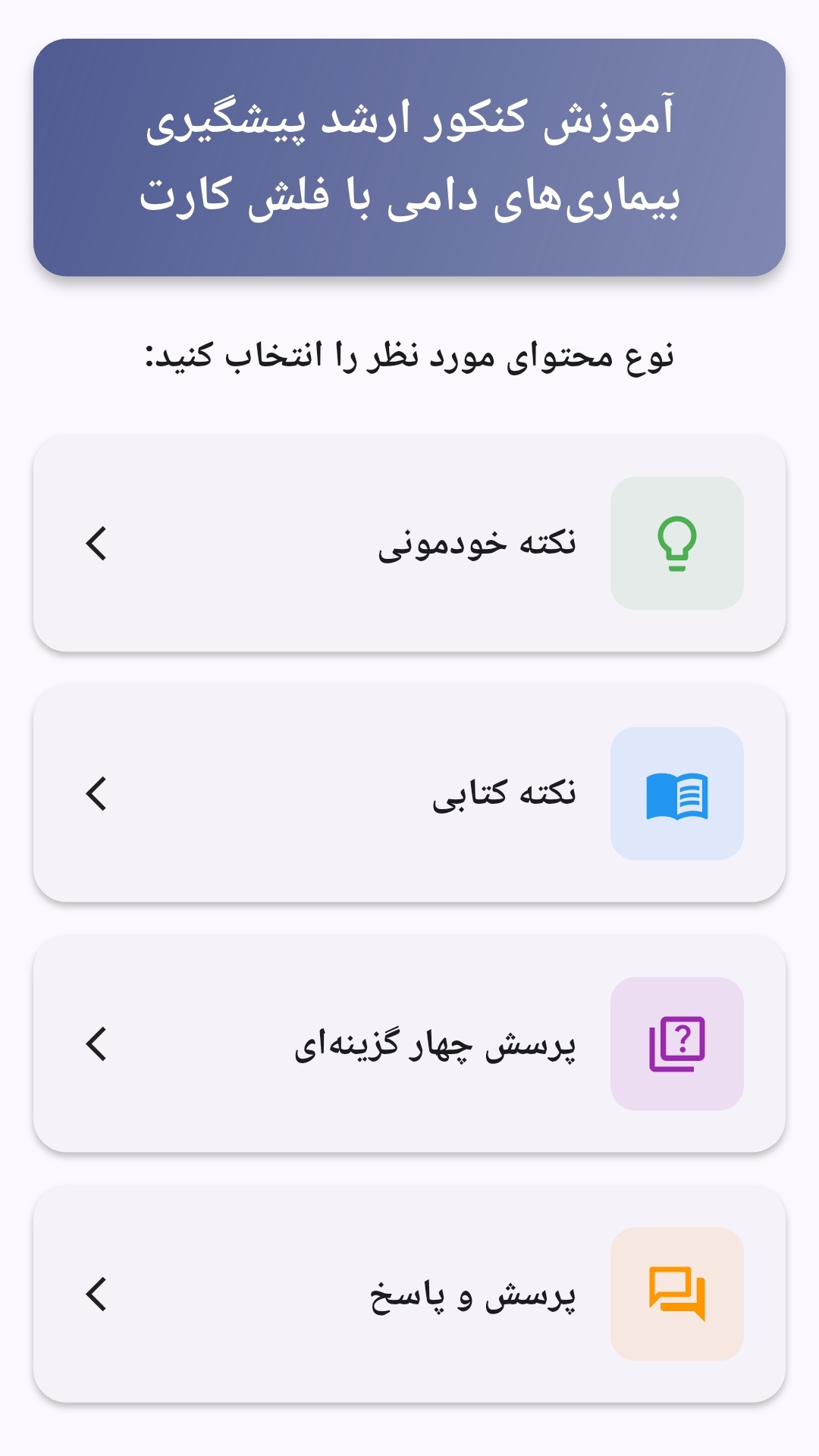
محتوای آموزشی در قالبهای متنوع ارائه میشود تا هم برای یادگیری مفاهیم جدید و هم برای تثبیت آموختهها قابل استفاده باشد.
- رابط کاربری فارسی و راستچین با فونت وزیر.
- تم روشن و تیره مطابق تنظیمات سیستم.
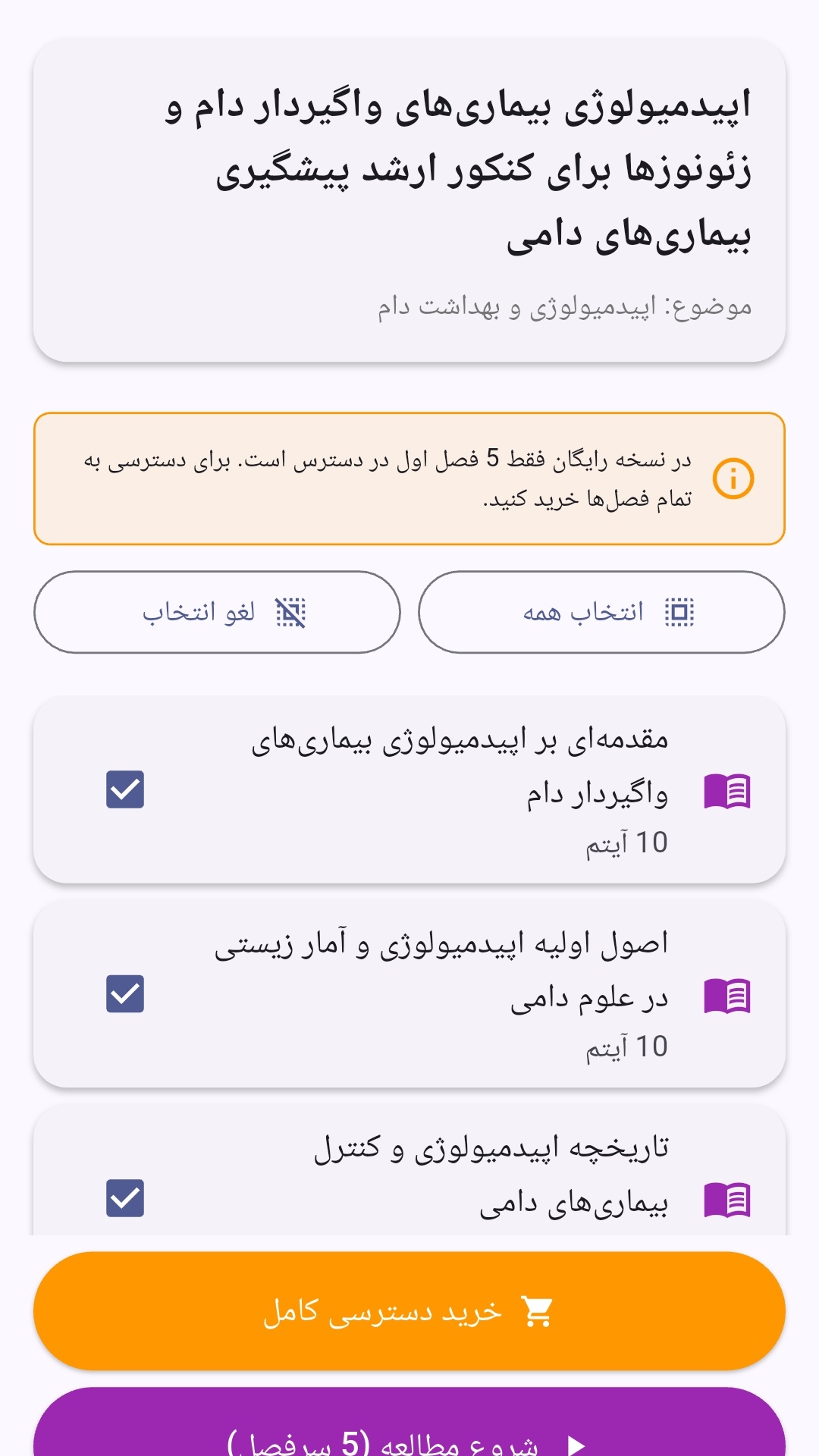
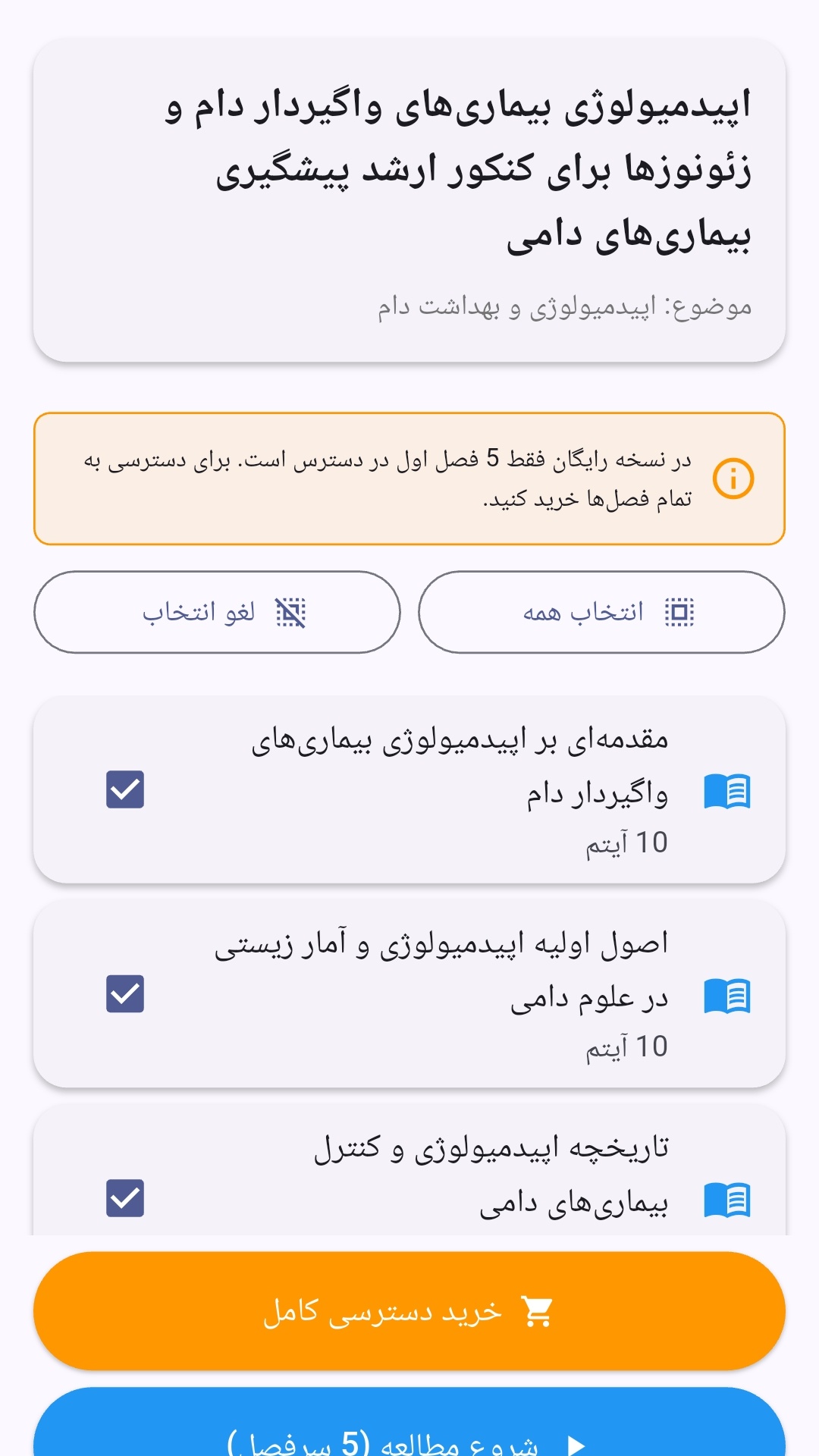
- صفحهبندی ساده برای انتخاب دوره و شروع مرور.
- نمایش تعداد دفعات مرور هر فصل.
- انتخاب چند فصل برای مرور همزمان.
- امکان تمرکز بر فصلهایی که هنوز مرور نشدهاند.
این اپلیکیشن برای دانشآموزان، دانشجویان، داوطلبان آزمونها و علاقهمندان به یادگیری طراحی شده است؛ بهویژه کسانی که میخواهند مطالب آموزشی را در زمانهای کوتاه مرور کنند، دانستههای خود را بسنجند و مطالعه منظمتری داشته باشند.
نظرات
هنوز نظری ثبت نشده است.
وارد شوید تا نظر ثبت کنید.