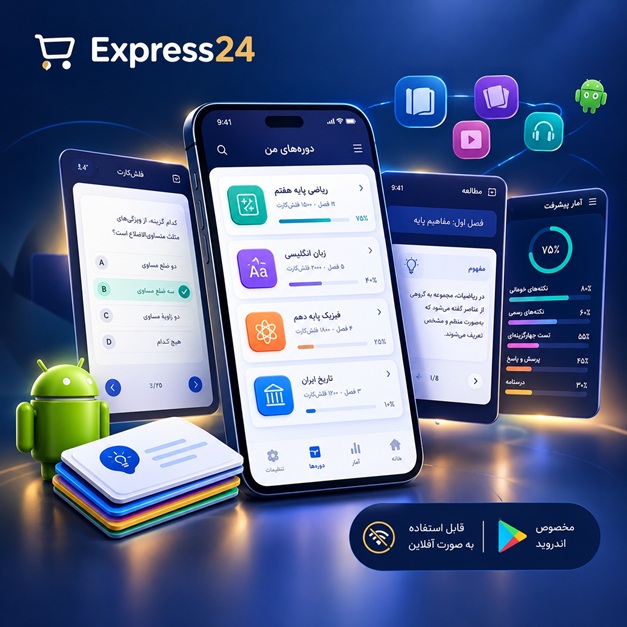
اپلیکیشن اندرویدی فلشکارت آموزشی آمادگی برای مصاحبههای فنی و کدینگ (Technical/Coding Interview)
🎓 دوره آموزشی جامع
📚 اطلاعات دوره
عنوان دوره: دوره آمادگی برای مصاحبههای فنی و کدینگ (Technical/Coding Interview)
موضوع کلی: آموزش زبانهای خارجی
موضوع میانی: زبان برای مصاحبه شغلی
📋 سرفصلهای دوره
- 1. Introduction to Technical Interviews: Types and Expectations
- 2. The Role of Language Proficiency in Tech Interviews
- 3. Defining Your Career Goals and Interview Strategy
- 4. Crafting an Impactful Resume: Content and Language
- 5. Writing a Targeted Cover Letter (Optional but Recommended)
- 6. Navigating Job Boards and Professional Networking
- 7. Deconstructing Job Descriptions and Requirements
- 8. Mastering Different Interview Formats (Phone, Video, On-site)
- 9. First Impressions: Professional Greetings and Small Talk (Language Focus)
- 10. The "Tell Me About Yourself" Question: Structure and Delivery
- 11. Asking Insightful Questions to Your Interviewer
- 12. Enhancing Active Listening and Comprehension Skills
- 13. Non-Verbal Communication and Body Language in Interviews
- 14. Strategies for Managing Interview Anxiety and Pressure
- 15. Post-Interview Follow-up: Thank You Notes and Next Steps
- 16. Core Programming Concepts: Variables, Data Types, Operators
- 17. Control Flow: Conditional Statements (If/Else, Switch)
- 18. Control Flow: Loops (For, While, Do-While)
- 19. Functions and Methods: Definition, Parameters, Return Values
- 20. Introduction to Object-Oriented Programming (OOP) Principles
- 21. OOP: Classes and Objects in Detail
- 22. OOP: Encapsulation and Abstraction
- 23. OOP: Inheritance and Polymorphism
- 24. Error Handling and Exception Management Best Practices
- 25. Debugging Techniques for Interview Problems
- 26. Understanding Memory Management Basics
- 27. Introduction to Time and Space Complexity (Big O Notation)
- 28. Analyzing Best, Average, and Worst-Case Scenarios
- 29. Expressing Technical Concepts Clearly in a Foreign Language
- 30. Essential Programming Vocabulary for Interviews
- 31. Arrays: Fixed-Size Collections and Basic Operations
- 32. Strings: Manipulation, Palindromes, and Anagrams
- 33. Linked Lists: Singly, Doubly, and Circular Structures
- 34. Linked Lists Operations: Insertion, Deletion, Reversal
- 35. Stacks: LIFO Principle and Applications (e.g., Parentheses Matching)
- 36. Queues: FIFO Principle and Applications (e.g., BFS)
- 37. Hash Tables: Key-Value Pairs, Hashing Functions
- 38. Hash Collisions and Resolution Strategies
- 39. Applications of Hash Maps and Hash Sets
- 40. Trees: Basic Terminology and Types
- 41. Binary Trees: Properties and Common Operations
- 42. Tree Traversal: Pre-order, In-order, Post-order
- 43. Binary Search Trees (BSTs): Properties and Operations
- 44. AVL Trees and Red-Black Trees (Introduction)
- 45. Heaps: Min-Heap, Max-Heap, and Heapify Process
- 46. Priority Queues: Implementation using Heaps
- 47. Graphs: Vertices, Edges, Directed/Undirected Graphs
- 48. Graph Representations: Adjacency Matrix vs. Adjacency List
- 49. Disjoint Set Union (DSU) / Union-Find Algorithm
- 50. Tries (Prefix Trees) for String Operations
- 51. Fenwick Tree (Binary Indexed Tree) for Range Queries
- 52. Segment Tree for Range Queries and Updates
- 53. Choosing the Right Data Structure for a Problem
- 54. Articulating Data Structure Pros and Cons (Language Focus)
- 55. Technical Vocabulary: Data Structures
- 56. Sorting Algorithms: Bubble, Selection, Insertion Sort
- 57. Sorting Algorithms: Merge Sort (Divide and Conquer)
- 58. Sorting Algorithms: Quick Sort (Partitioning)
- 59. Searching Algorithms: Linear Search vs. Binary Search
- 60. Recursion: Base Cases, Recursive Steps, Stack Overflow
- 61. Backtracking Algorithms (e.g., N-Queens, Sudoku Solver)
- 62. Dynamic Programming: Introduction to Memoization
- 63. Dynamic Programming: Tabulation and State Transitions
- 64. Common DP Problems: Knapsack, Longest Common Subsequence
- 65. Greedy Algorithms: Characteristics and Applications
- 66. Graph Traversal: Breadth-First Search (BFS)
- 67. Graph Traversal: Depth-First Search (DFS)
- 68. Shortest Path Algorithms: Dijkstra's Algorithm
- 69. Shortest Path Algorithms: Bellman-Ford Algorithm (Negative Weights)
- 70. Minimum Spanning Tree: Prim's Algorithm
- 71. Minimum Spanning Tree: Kruskal's Algorithm
- 72. Topological Sort for Directed Acyclic Graphs (DAGs)
- 73. Bit Manipulation: Operators and Techniques
- 74. Sliding Window Technique for Subarray/Substring Problems
- 75. Two Pointers Technique for Array Problems
- 76. Developing an Algorithm: Understanding and Clarifying the Problem
- 77. Brainstorming Multiple Approaches and Trade-offs (Language Focus)
- 78. Explaining Your Algorithm Logic Step-by-Step (Language Focus)
- 79. Optimizing Algorithms: Time and Space Complexity Analysis
- 80. Technical Vocabulary: Algorithms
- 81. Introduction to System Design Interviews: Goals and Process
- 82. Fundamental Design Principles: Scalability, Reliability, Maintainability
- 83. Scaling Strategies: Horizontal vs. Vertical Scaling
- 84. Load Balancing Techniques and Implementations
- 85. Database Choices: SQL, NoSQL, and Hybrid Approaches
- 86. Caching Mechanisms: Strategies and Invalidation
- 87. Message Queues and Asynchronous Processing Patterns
- 88. Designing APIs: RESTful Principles, GraphQL, gRPC
- 89. Microservices Architecture: Advantages and Challenges
- 90. Designing for High Availability and Fault Tolerance
- 91. Security Considerations in System Design
- 92. Data Partitioning and Replication Strategies
- 93. Capacity Estimation and Performance Metrics
- 94. Presenting Your System Design Solution Clearly (Language Focus)
- 95. Discussing Trade-offs and Justifying Decisions (Language Focus)
- 96. Mastering Behavioral Questions: The STAR Method (Language Focus)
- 97. Discussing Teamwork, Collaboration, and Conflict Resolution
- 98. Articulating Strengths, Weaknesses, and Learning Experiences
- 99. Realistic Mock Interview Simulation and Peer Feedback
- 100. Final Preparation: Review, Confidence, and Continuous Improvement
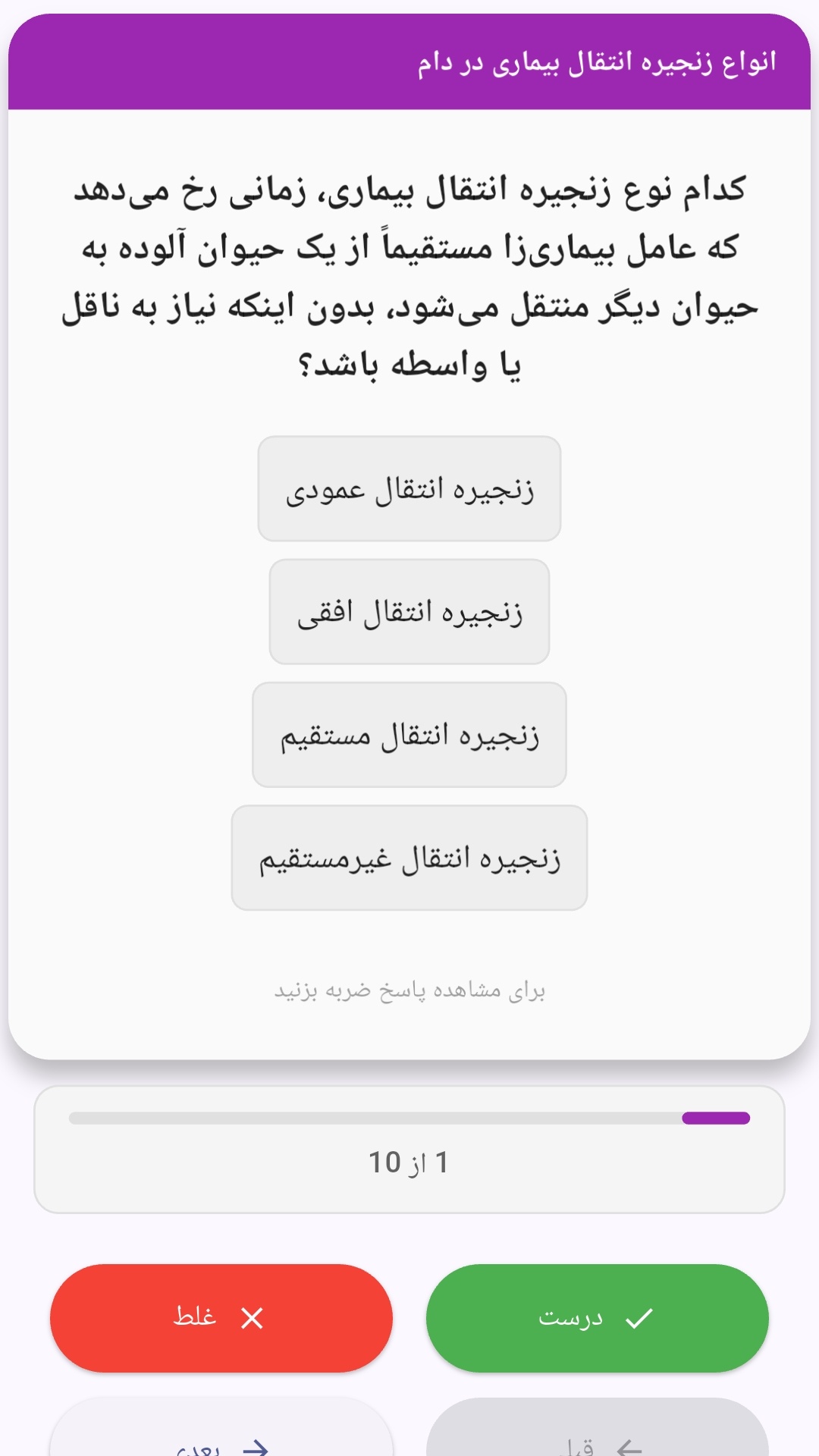
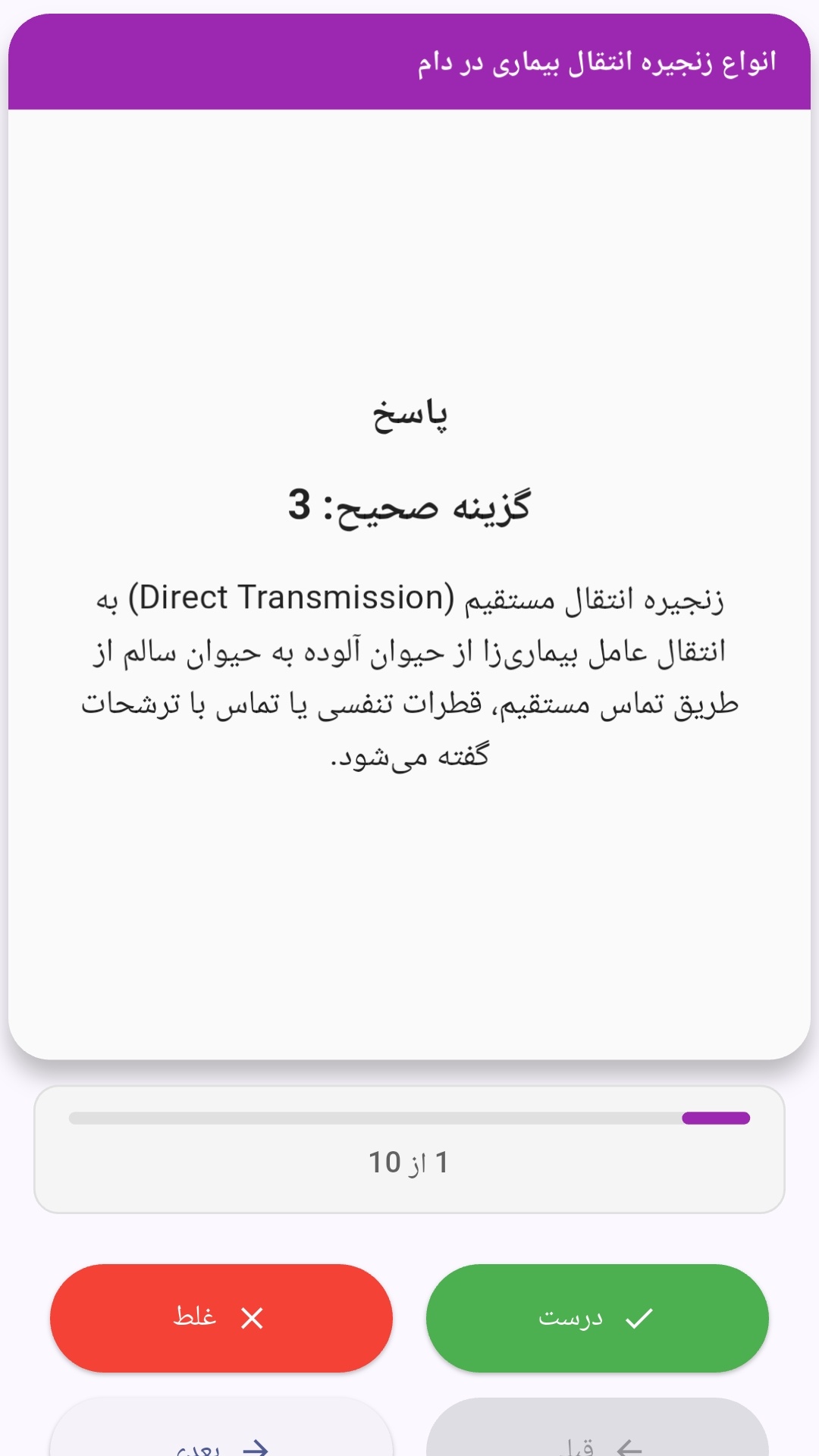
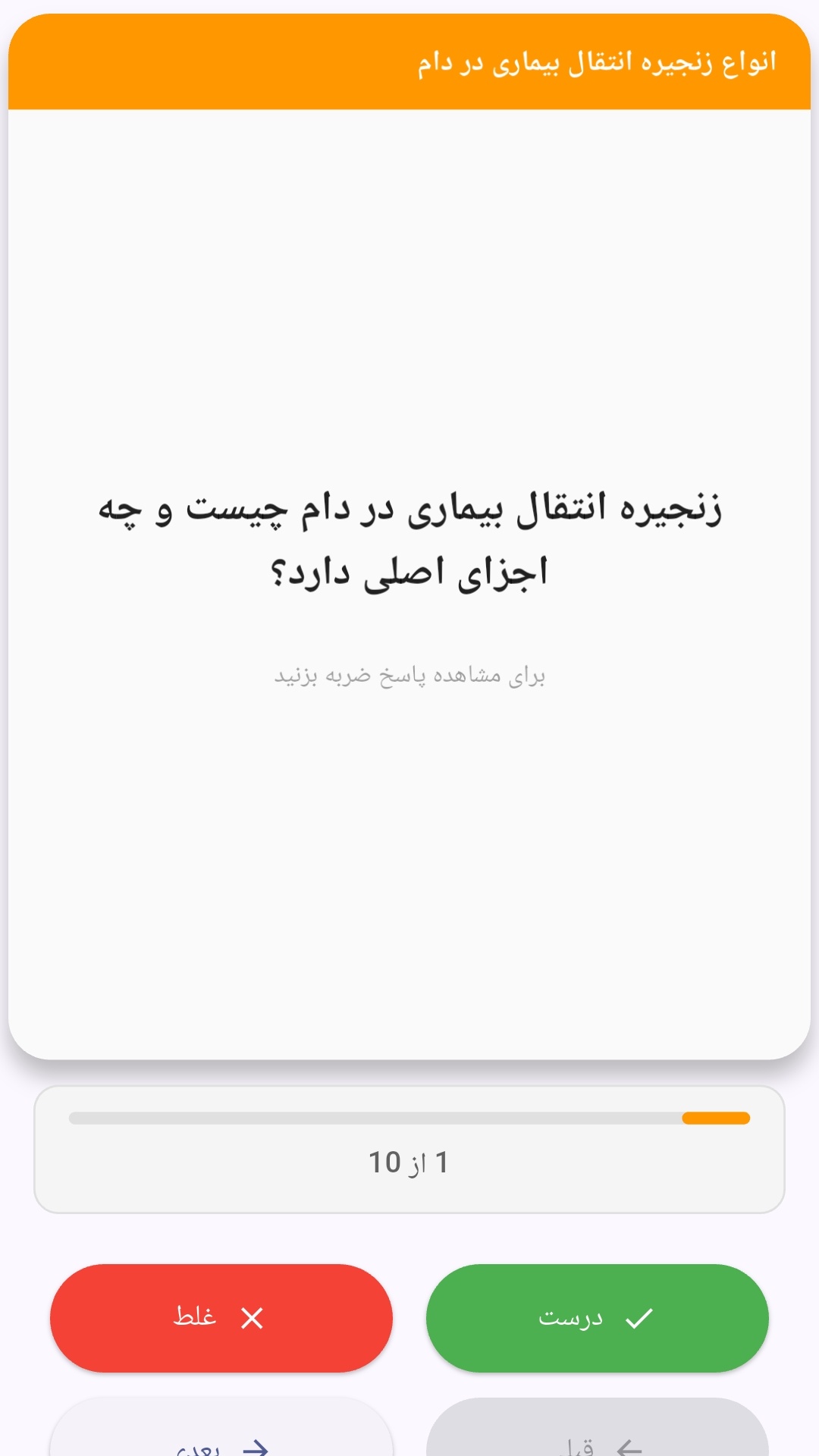
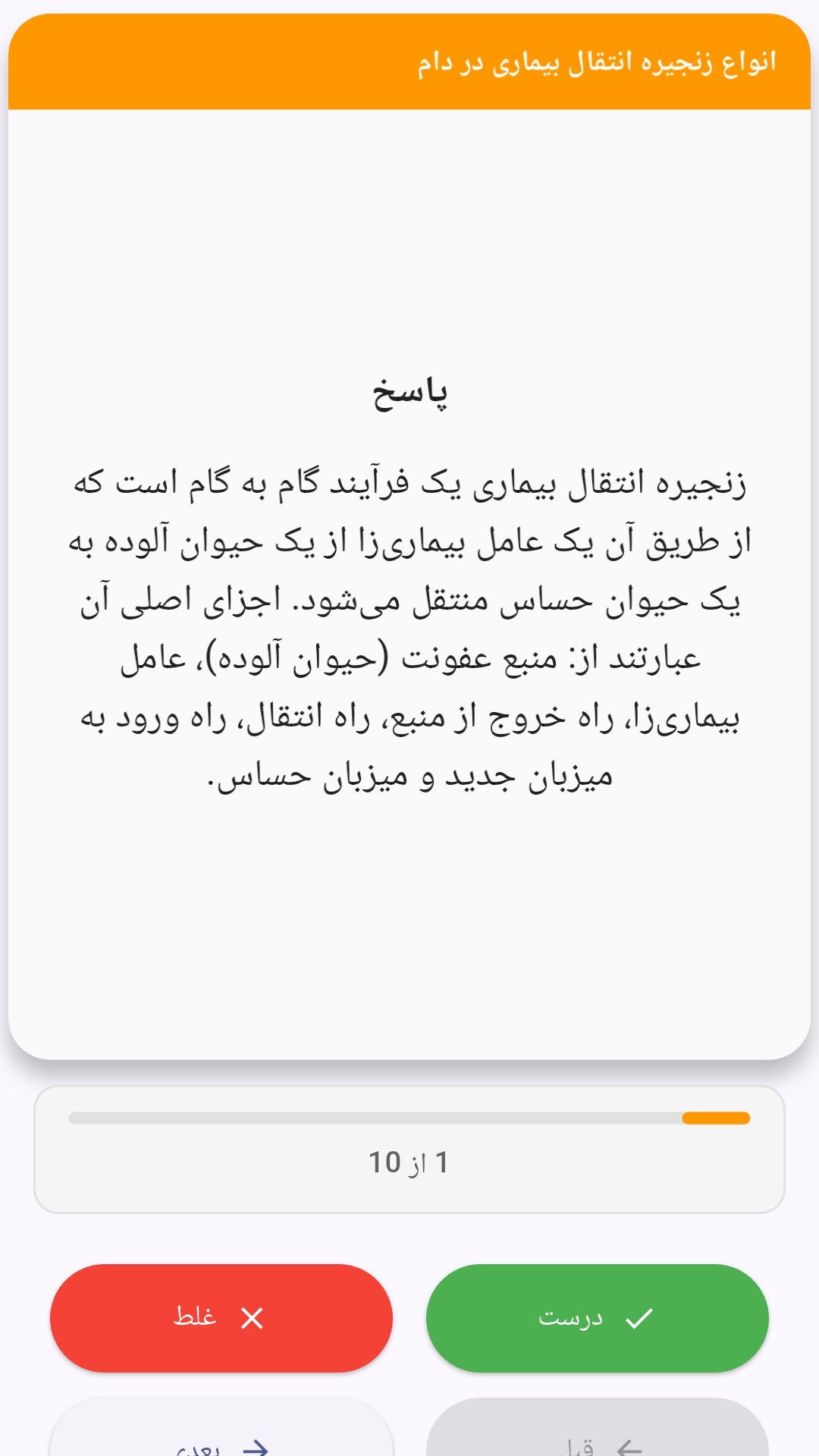
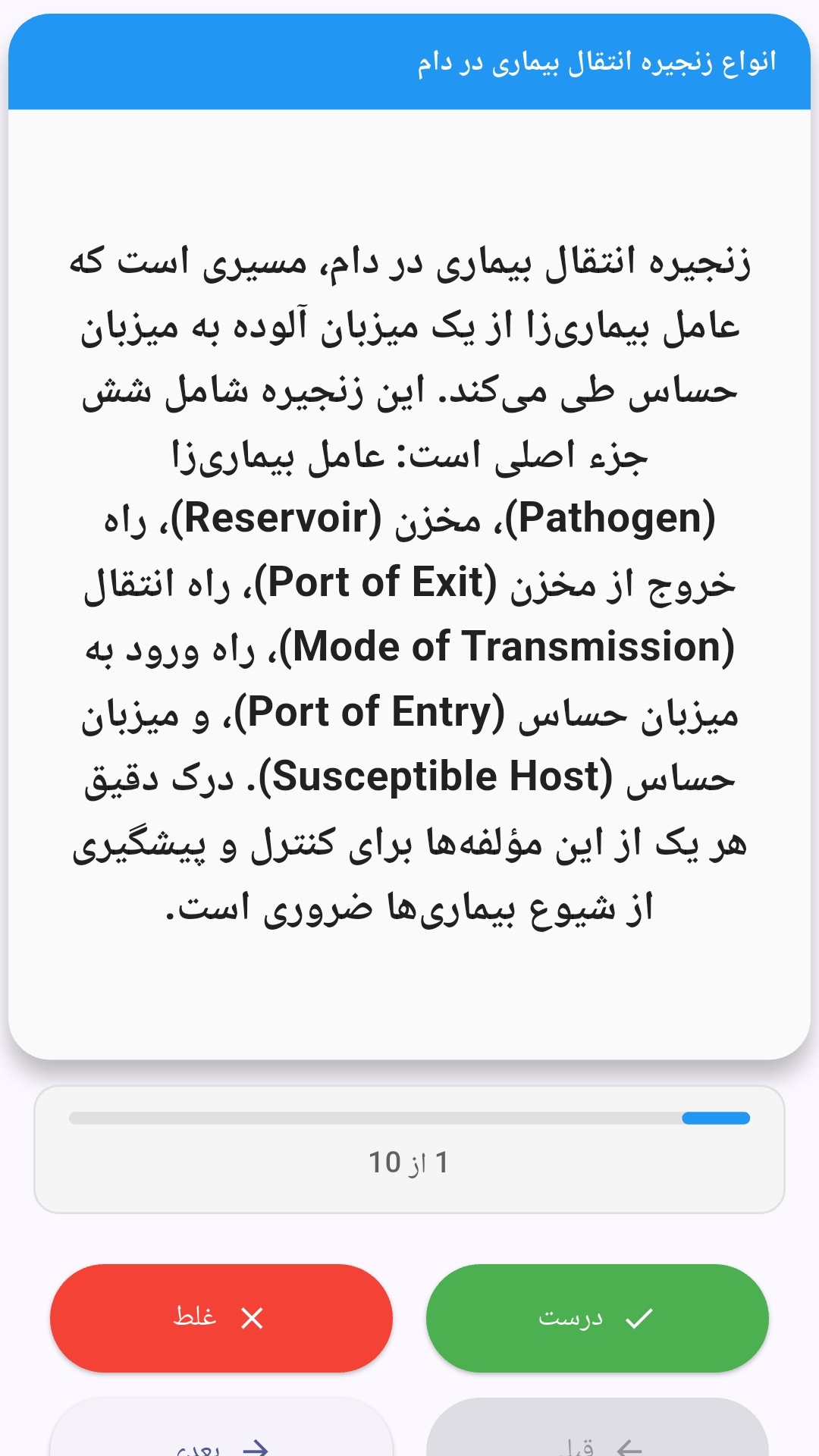
این اپلیکیشن فارسی برای یادگیری و مرور محتوای آموزشی از طریق فلشکارت طراحی شده است. کارتها را یکییکی مرور کنید، پاسخ پرسشها را به یاد بیاورید و نتیجه هر پاسخ را ثبت کنید. محتوای دوره پس از نصب درون برنامه در دسترس است تا برای مطالعه روزمره معمولاً به اتصال مداوم اینترنت نیاز نداشته باشید.
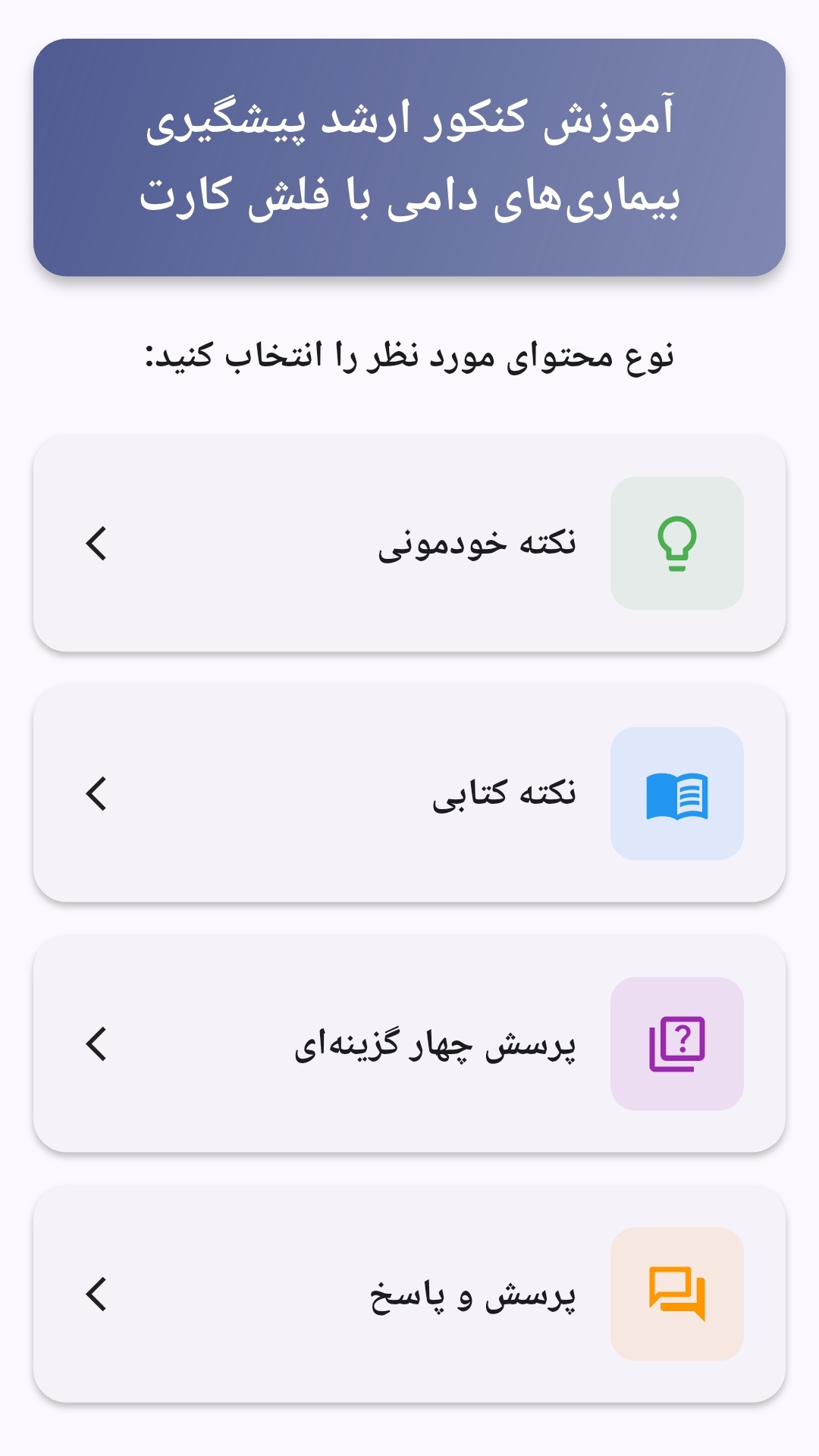
محتوای آموزشی در قالبهای متنوع ارائه میشود تا هم برای یادگیری مفاهیم جدید و هم برای تثبیت آموختهها قابل استفاده باشد.
- رابط کاربری فارسی و راستچین با فونت وزیر.
- تم روشن و تیره مطابق تنظیمات سیستم.
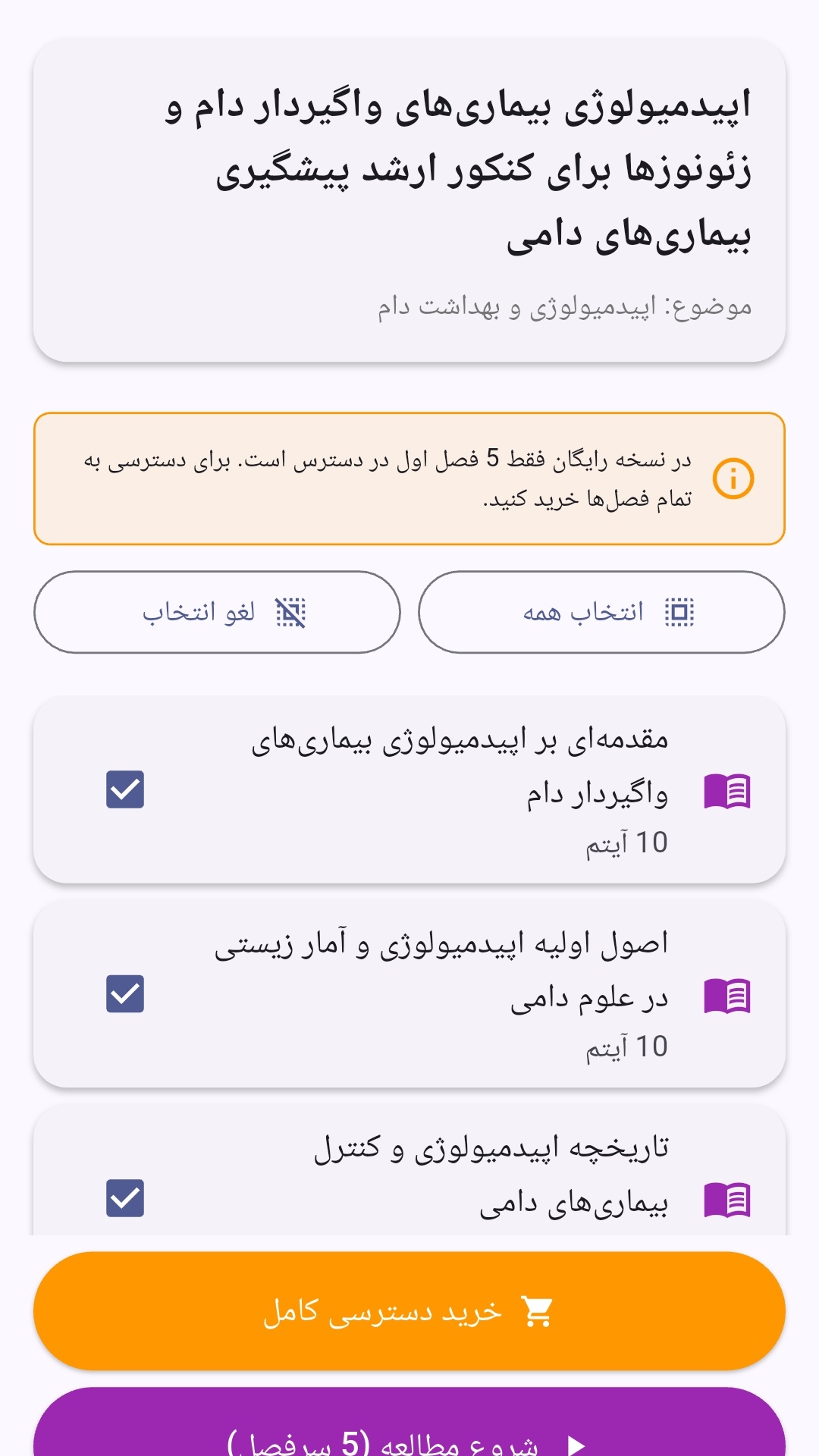
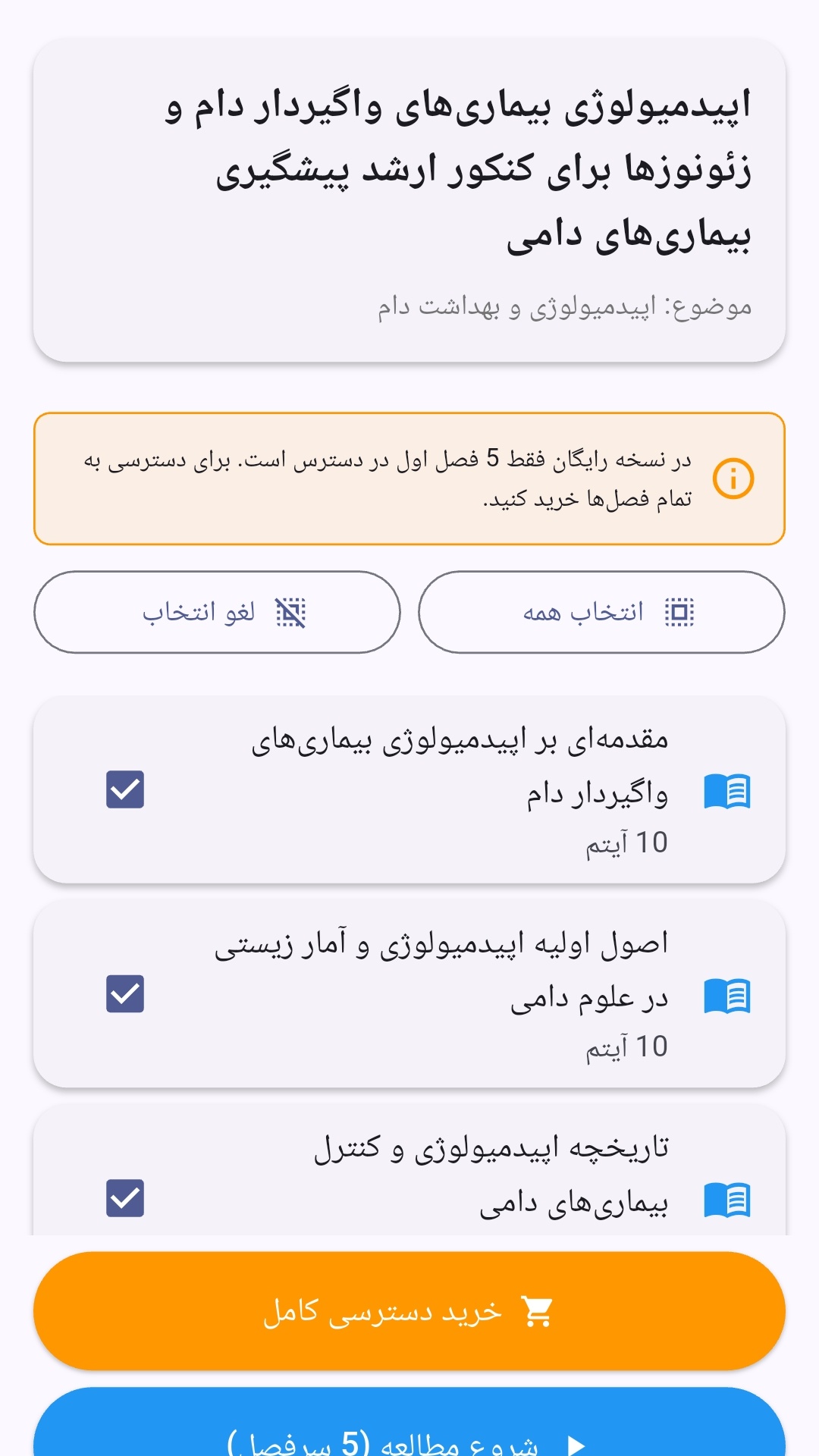
- صفحهبندی ساده برای انتخاب دوره و شروع مرور.
- نمایش تعداد دفعات مرور هر فصل.
- انتخاب چند فصل برای مرور همزمان.
- امکان تمرکز بر فصلهایی که هنوز مرور نشدهاند.
این اپلیکیشن برای دانشآموزان، دانشجویان، داوطلبان آزمونها و علاقهمندان به یادگیری طراحی شده است؛ بهویژه کسانی که میخواهند مطالب آموزشی را در زمانهای کوتاه مرور کنند، دانستههای خود را بسنجند و مطالعه منظمتری داشته باشند.
نظرات
هنوز نظری ثبت نشده است.
وارد شوید تا نظر ثبت کنید.