اپلیکیشن اندرویدی فلشکارت آموزشی زبان انگلیسی برای مهندسان در نگارش گزارشهای فنی ارزیابی عملکرد
🎓 دوره آموزشی جامع
📚 اطلاعات دوره
عنوان دوره: دوره زبان انگلیسی برای مهندسان در نگارش گزارشهای فنی ارزیابی عملکرد
موضوع کلی: آموزش زبانهای خارجی
موضوع میانی: زبان در حوزه مهندسی
📋 سرفصلهای دوره
- 1. Introduction to Technical English for Engineers
- 2. Understanding the Purpose of Technical Communication
- 3. Identifying Your Audience in Engineering Contexts
- 4. Key Characteristics of Effective Technical Writing
- 5. Clarity, Conciseness, and Precision in Engineering Reports
- 6. Maintaining Objectivity and Formality
- 7. Crafting Strong and Clear Sentences
- 8. Building Coherent Paragraphs
- 9. Strategic Use of Active and Passive Voice
- 10. Subject-Verb Agreement in Formal Writing
- 11. Correct Usage of Verb Tenses for Reporting
- 12. Mastering Modals for Recommendations and Possibilities
- 13. Pronoun Reference and Agreement for Clarity
- 14. Parallelism in Lists and Sentences for Readability
- 15. Essential Punctuation for Technical Reports (Commas, Semicolons)
- 16. Core Vocabulary for General Engineering Concepts
- 17. Specialized Terminology for Performance Evaluation
- 18. Adjectives and Adverbs for Precise Description
- 19. Strong Verbs for Reporting Actions and Results
- 20. Avoiding Vague Language and Ambiguity
- 21. Using Prepositions Correctly in Technical Phrases
- 22. Appropriate Use of Articles (a, an, the)
- 23. Conjunctions for Linking Ideas Logically
- 24. Capitalization Rules for Titles and Headings
- 25. Writing Numbers and Abbreviations in Reports
- 26. Understanding Nominalization and Its Impact
- 27. Building a Personal Technical Terminology Bank
- 28. Using Synonyms and Antonyms Effectively for Variety
- 29. Common Grammatical Errors to Avoid
- 30. Proofreading Strategies for Basic Mechanics
- 31. Overview of Standard Technical Report Structure
- 32. Designing an Effective Title Page
- 33. Crafting a Comprehensive Table of Contents
- 34. Writing a Concise and Informative Abstract
- 35. Structuring the Introduction: Purpose and Scope
- 36. Providing Relevant Background Information
- 37. Describing Methodology and Data Collection
- 38. Presenting Findings and Results Clearly
- 39. Developing a Thorough Discussion Section
- 40. Formulating Strong Conclusions
- 41. Writing Action-Oriented Recommendations
- 42. Utilizing Appendices for Supplementary Material
- 43. Fundamentals of Citing Sources and References
- 44. Organizing Content with Headings and Subheadings
- 45. Using Bulleted and Numbered Lists Effectively
- 46. Integrating Figures and Tables into Text
- 47. Labeling and Captioning Visual Aids
- 48. Ensuring Logical Flow Between Sections
- 49. Maintaining Consistency in Formatting and Style
- 50. Developing a Report Outline for Performance Evaluation Reports
- 51. Understanding the Objectives of Performance Evaluation Reports
- 52. Identifying Key Components of a Performance Evaluation Report (PER)
- 53. Defining Performance Metrics and Evaluation Criteria
- 54. Gathering and Documenting Performance Data Objectively
- 55. Analyzing Performance Data for Insights
- 56. Structuring the Performance Summary Section
- 57. Describing Employee Strengths with Specific Examples
- 58. Identifying Areas for Development Constructively
- 59. Providing Evidence-Based Feedback
- 60. Writing Specific, Measurable, Achievable, Relevant, Time-bound (SMART) Goals
- 61. Formulating Actionable Improvement Plans
- 62. Crafting Professional Recommendations for Growth
- 63. Addressing Underperformance Effectively and Respectfully
- 64. Documenting Exceptional Performance and Achievements
- 65. Handling Sensitive Information with Discretion
- 66. Understanding Legal and Ethical Considerations in PERs
- 67. Avoiding Bias and Subjectivity in Evaluations
- 68. Incorporating Employee Self-Assessments into the Report
- 69. Writing for HR and Management Audiences
- 70. Ensuring Fairness and Consistency in Evaluation Standards
- 71. Differentiating Performance from Potential
- 72. Crafting the Overall Assessment Statement
- 73. Strategies for Delivering Difficult Feedback in Writing
- 74. Documenting Follow-up Actions and Next Steps
- 75. Reviewing for Completeness and Accuracy of PER Content
- 76. Maintaining a Professional and Empathetic Tone in PERs
- 77. Using Neutral and Objective Language in Performance Assessments
- 78. Phrases for Introducing Performance Observations
- 79. Language for Reporting Specific Achievements and Contributions
- 80. Language for Articulating Areas for Improvement
- 81. Constructive Language for Corrective Feedback
- 82. Employing Politeness and Professionalism in Every Section
- 83. Avoiding Inflammatory or Judgmental Language
- 84. Using Quantifiers and Qualifiers Appropriately for Precision
- 85. Reporting Data and Statistics within the Narrative of a PER
- 86. Integrating Quotes and Direct Observations Effectively
- 87. Crafting Persuasive Language for Recommendations and Development Plans
- 88. Varying Sentence Structure for Engagement and Readability
- 89. Ensuring Paragraph Cohesion in Assessment Sections
- 90. Using Transition Words for Smooth Information Flow
- 91. The Importance of Comprehensive Revision in Technical Writing
- 92. Self-Editing Checklist Specifically for Performance Evaluation Reports
- 93. Peer Review Techniques for Technical Reports
- 94. Advanced Proofreading for Clarity and Conciseness
- 95. Final Grammar and Punctuation Review
- 96. Ensuring Consistency in Terminology and Tone
- 97. Writing an Executive Summary for Complex PERs
- 98. Utilizing Templates and Standardized Forms Effectively
- 99. Best Practices for Archiving and Document Control of PERs
- 100. Continuous Improvement of Technical Writing Skills for Engineers
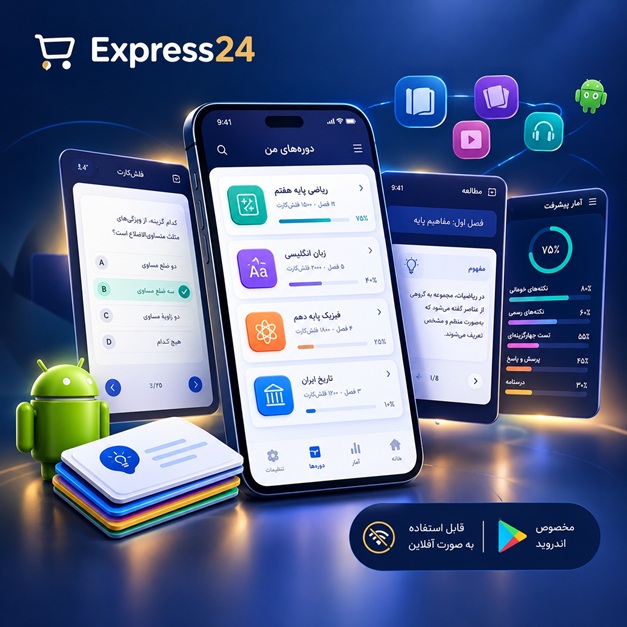
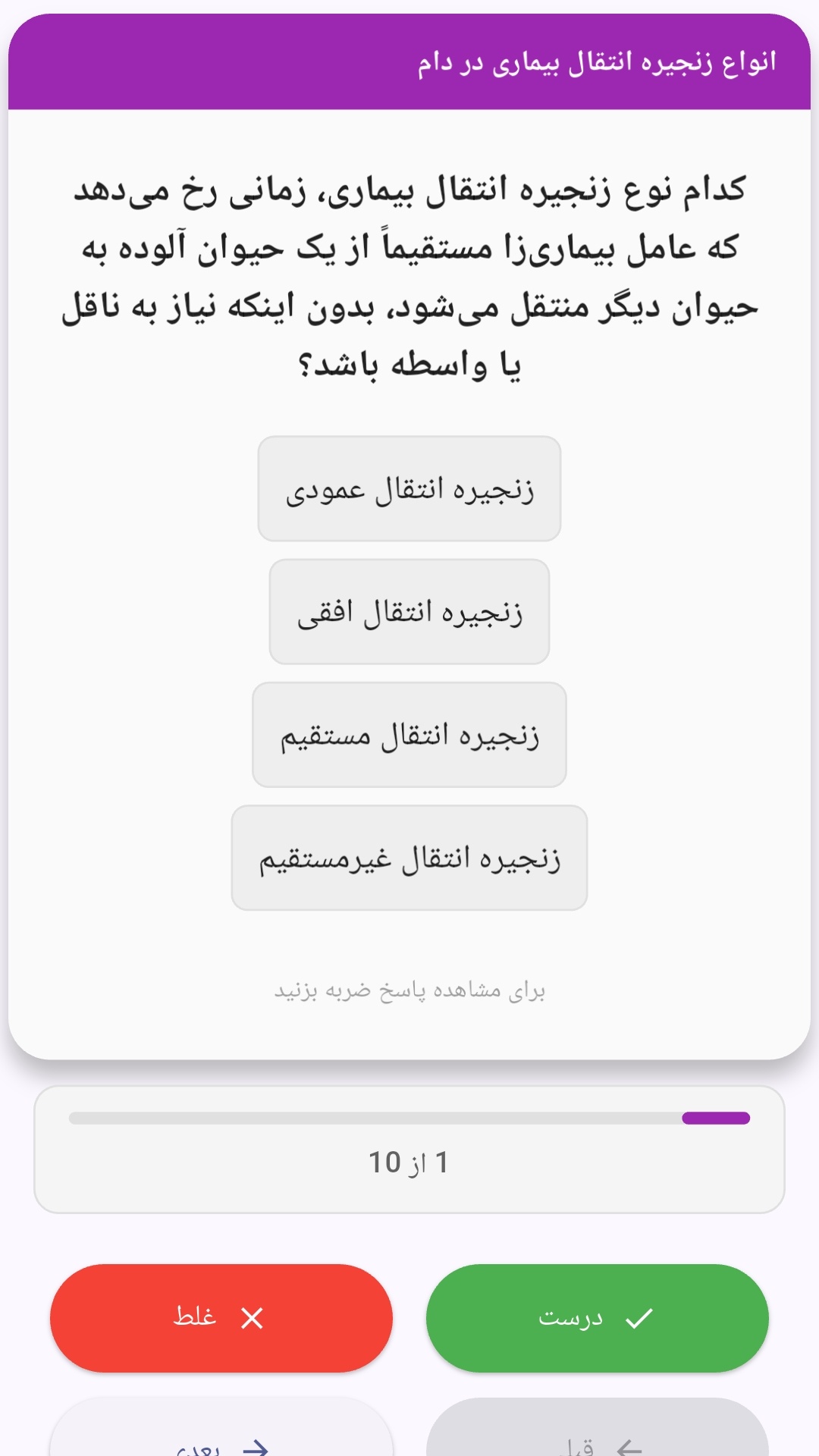
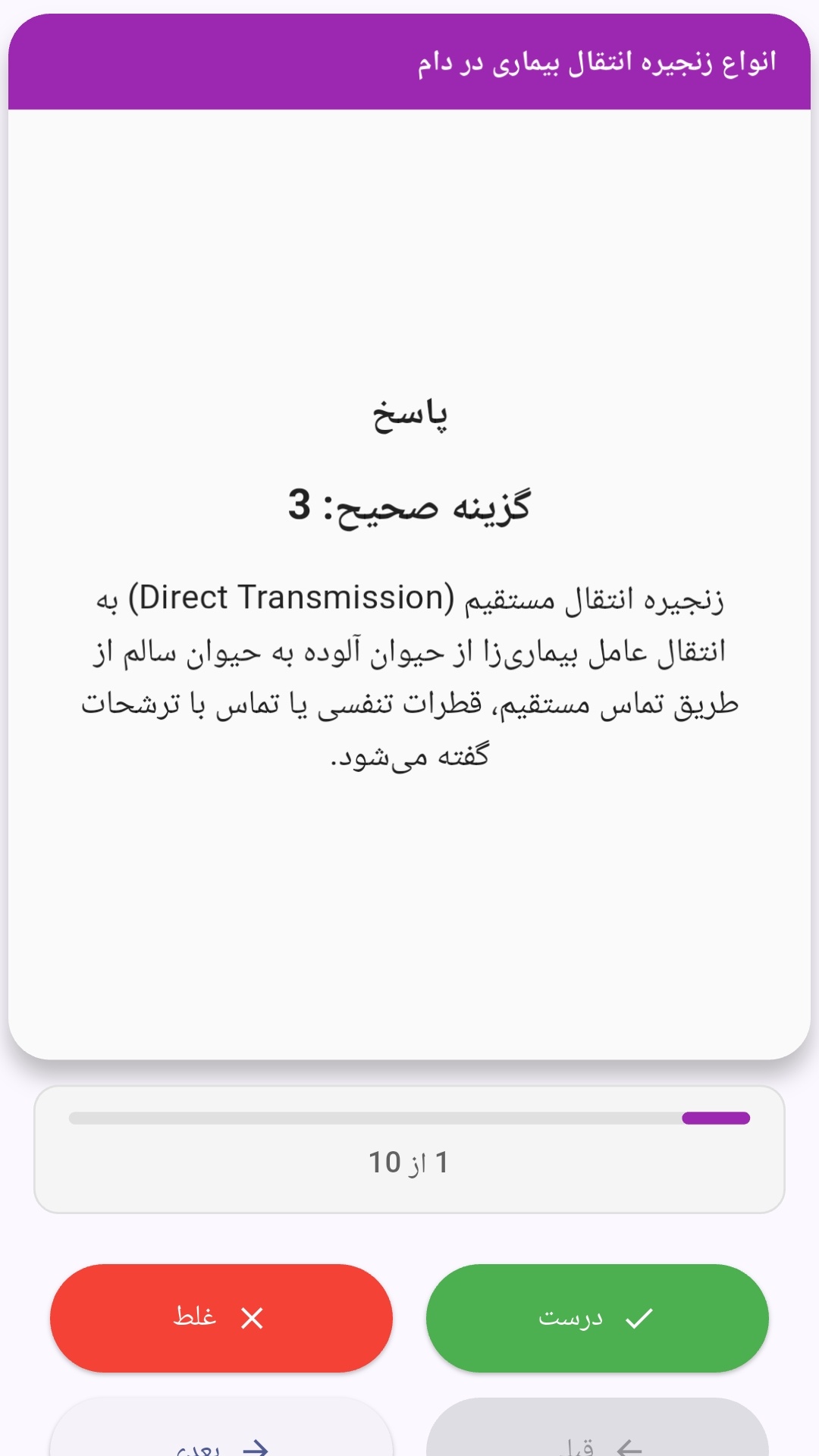
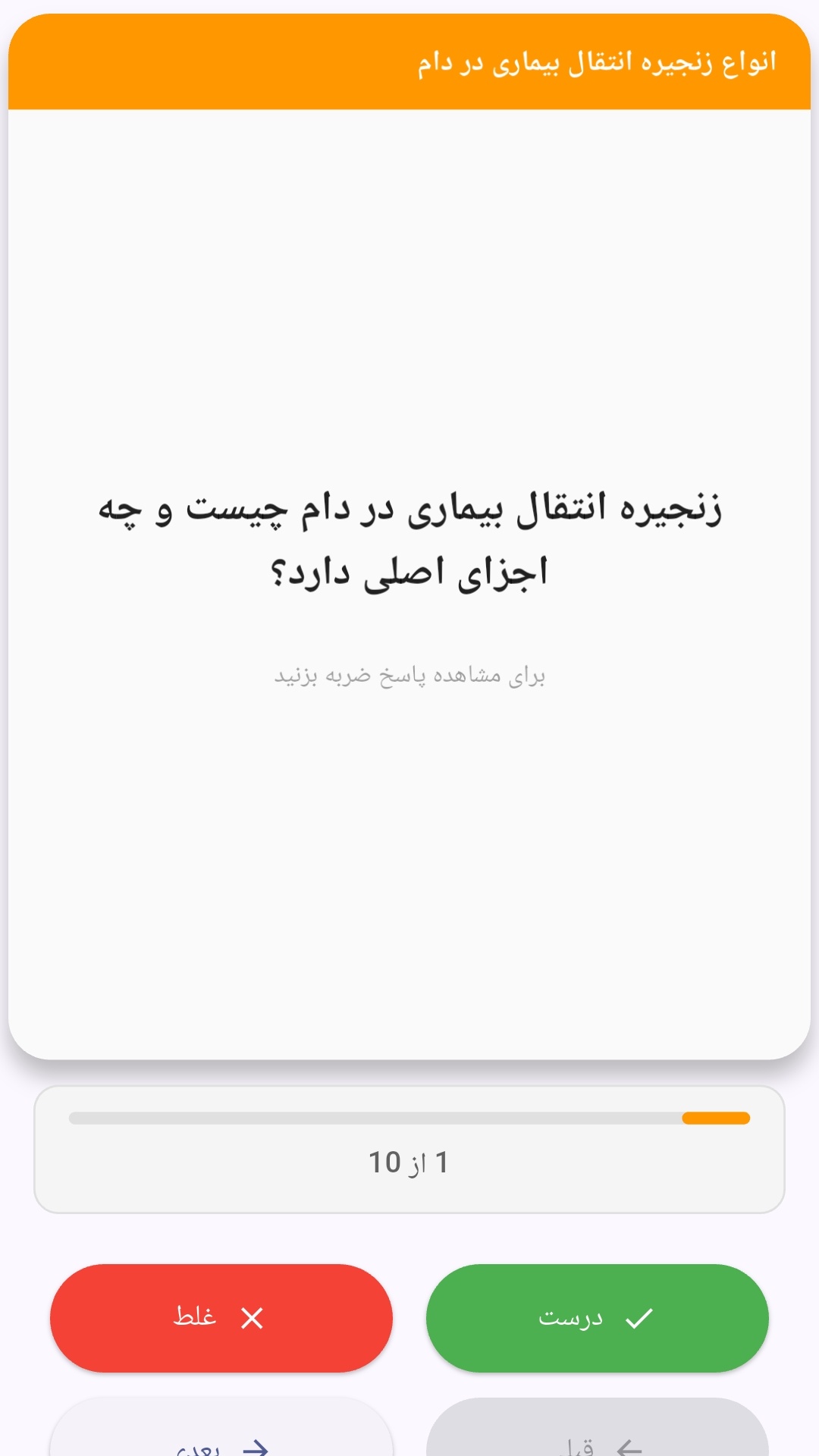
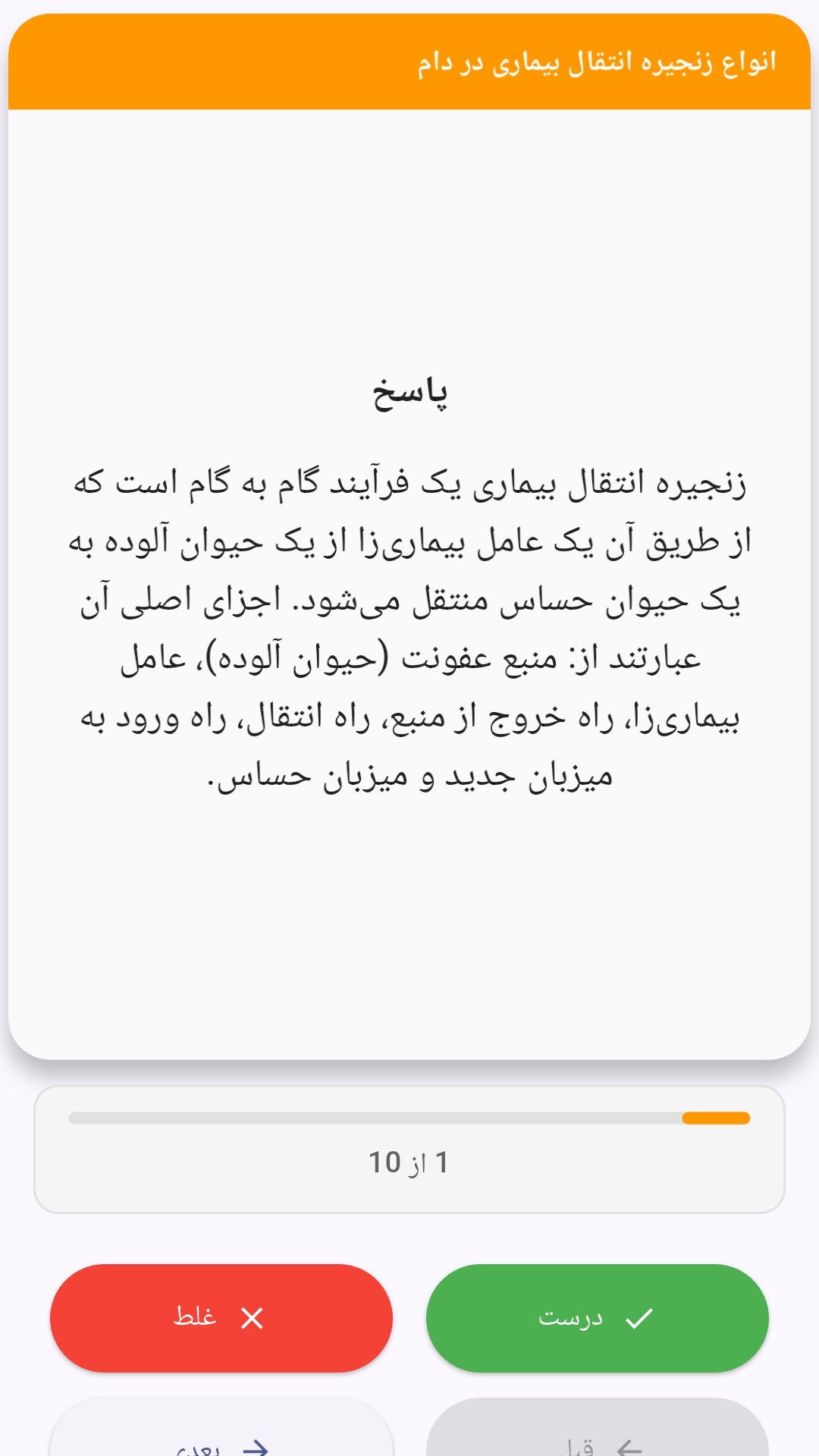
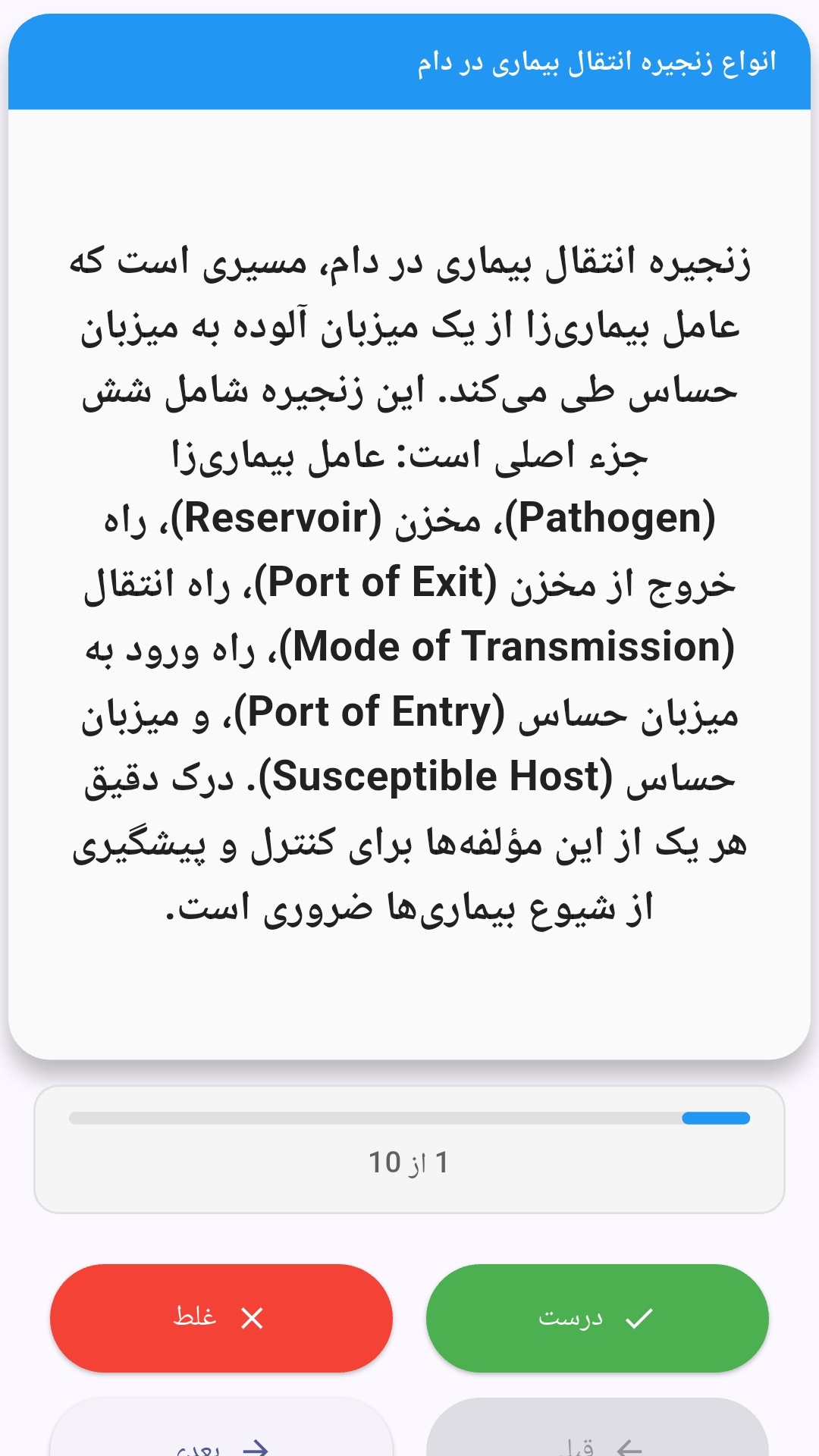
این اپلیکیشن فارسی برای یادگیری و مرور محتوای آموزشی از طریق فلشکارت طراحی شده است. کارتها را یکییکی مرور کنید، پاسخ پرسشها را به یاد بیاورید و نتیجه هر پاسخ را ثبت کنید. محتوای دوره پس از نصب درون برنامه در دسترس است تا برای مطالعه روزمره معمولاً به اتصال مداوم اینترنت نیاز نداشته باشید.
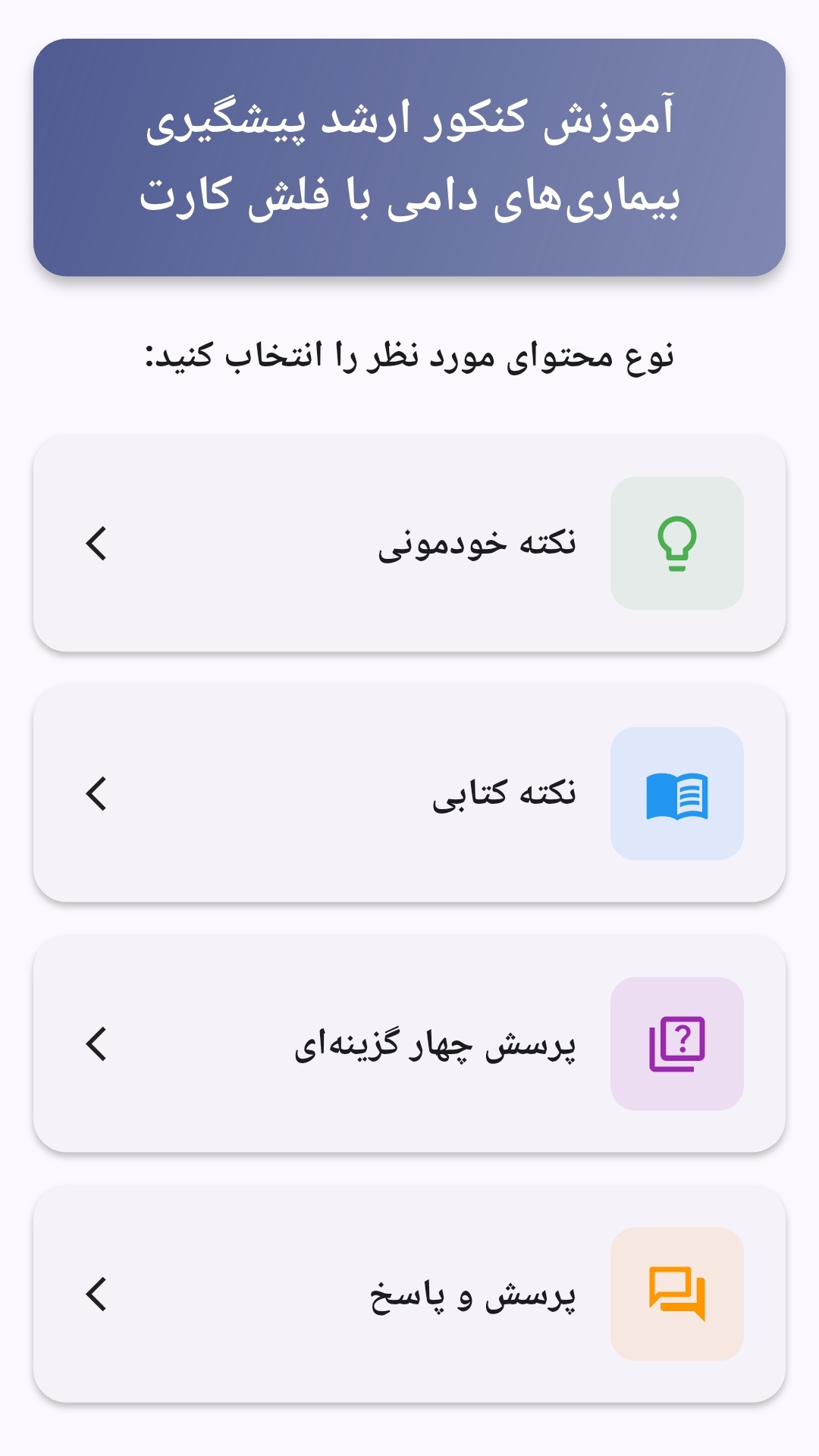
محتوای آموزشی در قالبهای متنوع ارائه میشود تا هم برای یادگیری مفاهیم جدید و هم برای تثبیت آموختهها قابل استفاده باشد.
- رابط کاربری فارسی و راستچین با فونت وزیر.
- تم روشن و تیره مطابق تنظیمات سیستم.
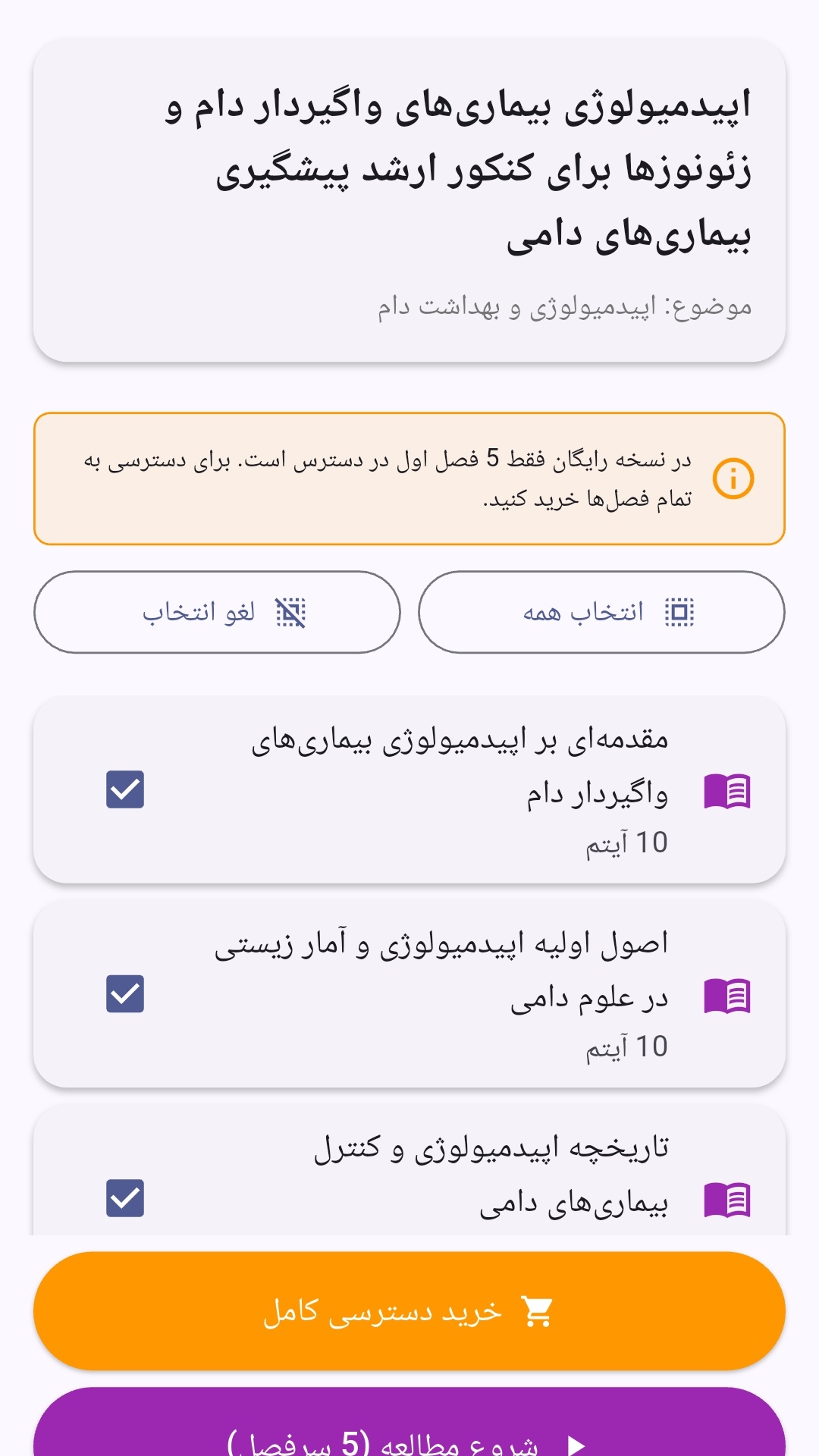
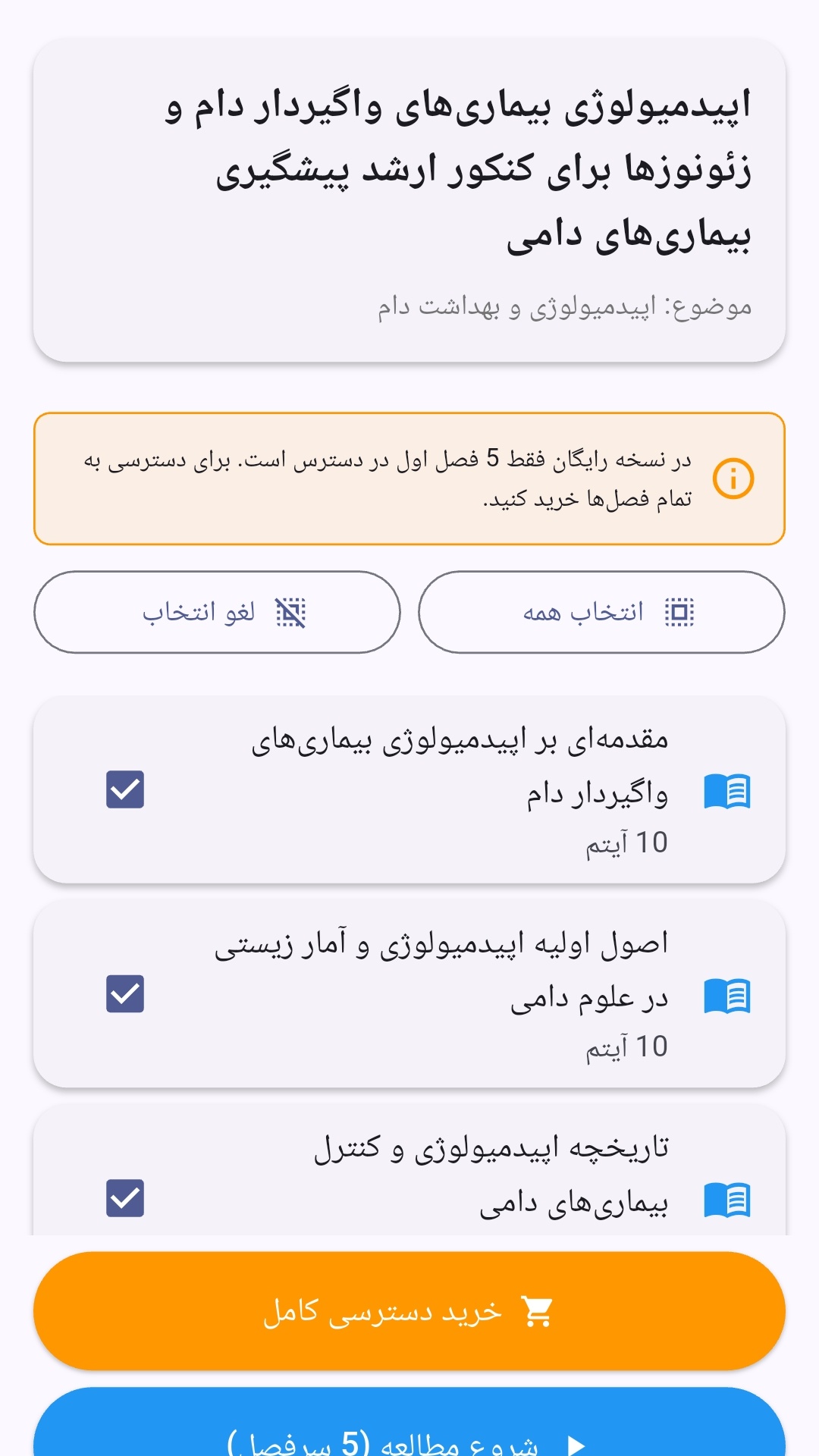
- صفحهبندی ساده برای انتخاب دوره و شروع مرور.
- نمایش تعداد دفعات مرور هر فصل.
- انتخاب چند فصل برای مرور همزمان.
- امکان تمرکز بر فصلهایی که هنوز مرور نشدهاند.
این اپلیکیشن برای دانشآموزان، دانشجویان، داوطلبان آزمونها و علاقهمندان به یادگیری طراحی شده است؛ بهویژه کسانی که میخواهند مطالب آموزشی را در زمانهای کوتاه مرور کنند، دانستههای خود را بسنجند و مطالعه منظمتری داشته باشند.
نظرات
هنوز نظری ثبت نشده است.
وارد شوید تا نظر ثبت کنید.