اپلیکیشن اندرویدی فلشکارت آموزشی Building an API for Mobile Devices
🎓 دوره آموزشی جامع
📚 اطلاعات دوره
عنوان دوره: دوره Building an API for Mobile Devices
موضوع کلی: برنامه نویسی
موضوع میانی: ایپیآی (API) و وبسرویسها
📋 سرفصلهای دوره
- 1. Introduction to APIs: The Mobile Backend
- 2. Understanding Client-Server Architecture
- 3. HTTP/HTTPS Fundamentals for APIs
- 4. RESTful API Principles: A Foundation
- 5. Choosing Your Backend Stack: Overview
- 6. Setting Up Your Development Environment
- 7. Introduction to JSON for API Data
- 8. Basic API Request and Response Cycle
- 9. HTTP Methods: GET, POST, PUT, DELETE, PATCH
- 10. Designing Your First API Endpoint
- 11. Introduction to Databases for APIs
- 12. SQL vs. NoSQL: When to Use Which
- 13. Connecting Your API to a Database
- 14. Building Your First Data Model
- 15. Implementing Basic CRUD Operations (Create)
- 16. Implementing Basic CRUD Operations (Read)
- 17. Implementing Basic CRUD Operations (Update)
- 18. Implementing Basic CRUD Operations (Delete)
- 19. Handling Request Body Data (JSON Parsing)
- 20. Crafting API Responses (JSON Formatting)
- 21. Understanding HTTP Status Codes
- 22. Basic Input Validation
- 23. Introduction to Error Handling
- 24. API Design Best Practices: Naming & Structure
- 25. What is API Security and Why It Matters
- 26. Authentication vs. Authorization
- 27. User Registration Flow for APIs
- 28. User Login and Session Management
- 29. Password Hashing and Storage
- 30. Token-Based Authentication (JWT Introduction)
- 31. Implementing JWT for User Authentication
- 32. Protecting API Endpoints with Authentication Middleware
- 33. Introduction to OAuth 2.0 for Third-Party Login
- 34. Implementing Basic API Key Authentication
- 35. Role-Based Access Control (RBAC) Principles
- 36. Implementing Authorization with RBAC
- 37. Cross-Origin Resource Sharing (CORS) Configuration
- 38. Preventing Common API Vulnerabilities (SQL Injection, XSS)
- 39. Data Sanitization and Validation Deep Dive
- 40. Implementing HTTPS and SSL/TLS
- 41. Rate Limiting Your API
- 42. Advanced Data Modeling and Relationships
- 43. One-to-Many Relationships in APIs
- 44. Many-to-Many Relationships in APIs
- 45. Pagination Strategies for Large Datasets
- 46. Filtering API Results
- 47. Sorting API Results
- 48. Searching API Data
- 49. Handling File Uploads (Images, Documents)
- 50. Storing Files in the Cloud (S3, Cloudinary)
- 51. API Versioning: Strategies and Best Practices
- 52. Implementing URL-Based Versioning
- 53. Implementing Header-Based Versioning
- 54. Asynchronous Tasks and Background Processing
- 55. Introduction to Webhooks
- 56. Implementing Webhooks for Event Notifications
- 57. Caching Strategies for API Performance
- 58. Server-Side Caching Techniques
- 59. Client-Side Caching Considerations for Mobile
- 60. Designing for Mobile Network Constraints (Bandwidth, Latency)
- 61. Implementing Real-time Features with WebSockets
- 62. Building a Basic WebSocket Server
- 63. Handling Real-time Data Exchange
- 64. Transaction Management in APIs
- 65. Idempotency in API Design
- 66. Introduction to Microservices Architecture
- 67. API Gateway: Centralizing API Management
- 68. Unit Testing Your API Endpoints
- 69. Writing Effective API Unit Tests
- 70. Integration Testing Your API
- 71. End-to-End Testing Strategies for APIs
- 72. Test-Driven Development (TDD) for API Design
- 73. Documenting Your API with OpenAPI (Swagger)
- 74. Generating API Documentation Automatically
- 75. Introduction to Docker for API Development
- 76. Containerizing Your API with Docker
- 77. Managing Containers with Docker Compose
- 78. Introduction to Cloud Deployment (AWS, GCP, Azure)
- 79. Deploying Your API to a Cloud Virtual Machine
- 80. Serverless API Deployment (AWS Lambda, Azure Functions)
- 81. Continuous Integration (CI) for APIs
- 82. Continuous Deployment (CD) for APIs
- 83. Setting Up a CI/CD Pipeline
- 84. Monitoring API Performance and Usage
- 85. API Logging Best Practices
- 86. Error Monitoring and Alerting
- 87. Performance Optimization Techniques
- 88. Database Indexing for API Speed
- 89. Scaling Your API Horizontally and Vertically
- 90. Load Balancing for High Availability
- 91. Push Notifications API Integration (Firebase Cloud Messaging)
- 92. Handling Device Tokens for Push Notifications
- 93. Location-Based Services API Design
- 94. Geocoding and Reverse Geocoding APIs
- 95. Offline Data Synchronization Strategies for Mobile
- 96. Designing for Intermittent Connectivity
- 97. API Consumption by Mobile Clients: SDKs vs. Raw HTTP
- 98. Mobile API Security: Specific Considerations
- 99. GraphQL for Mobile API Development: An Alternative
- 100. gRPC for High-Performance Mobile Communication: Future Trends
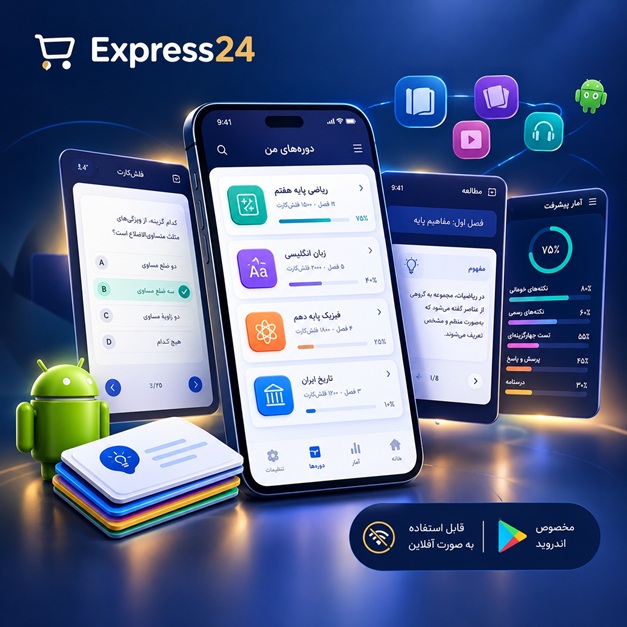
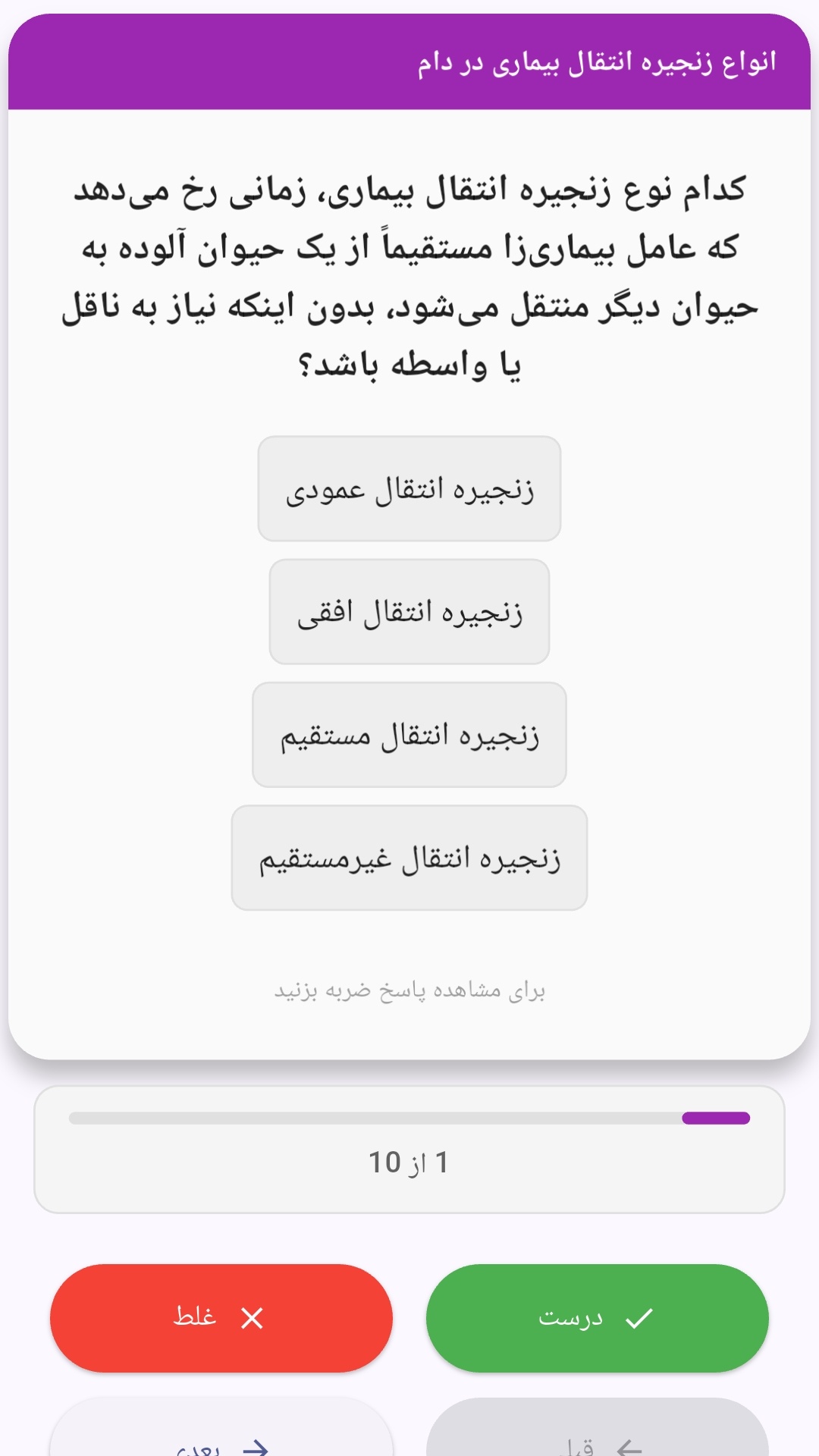
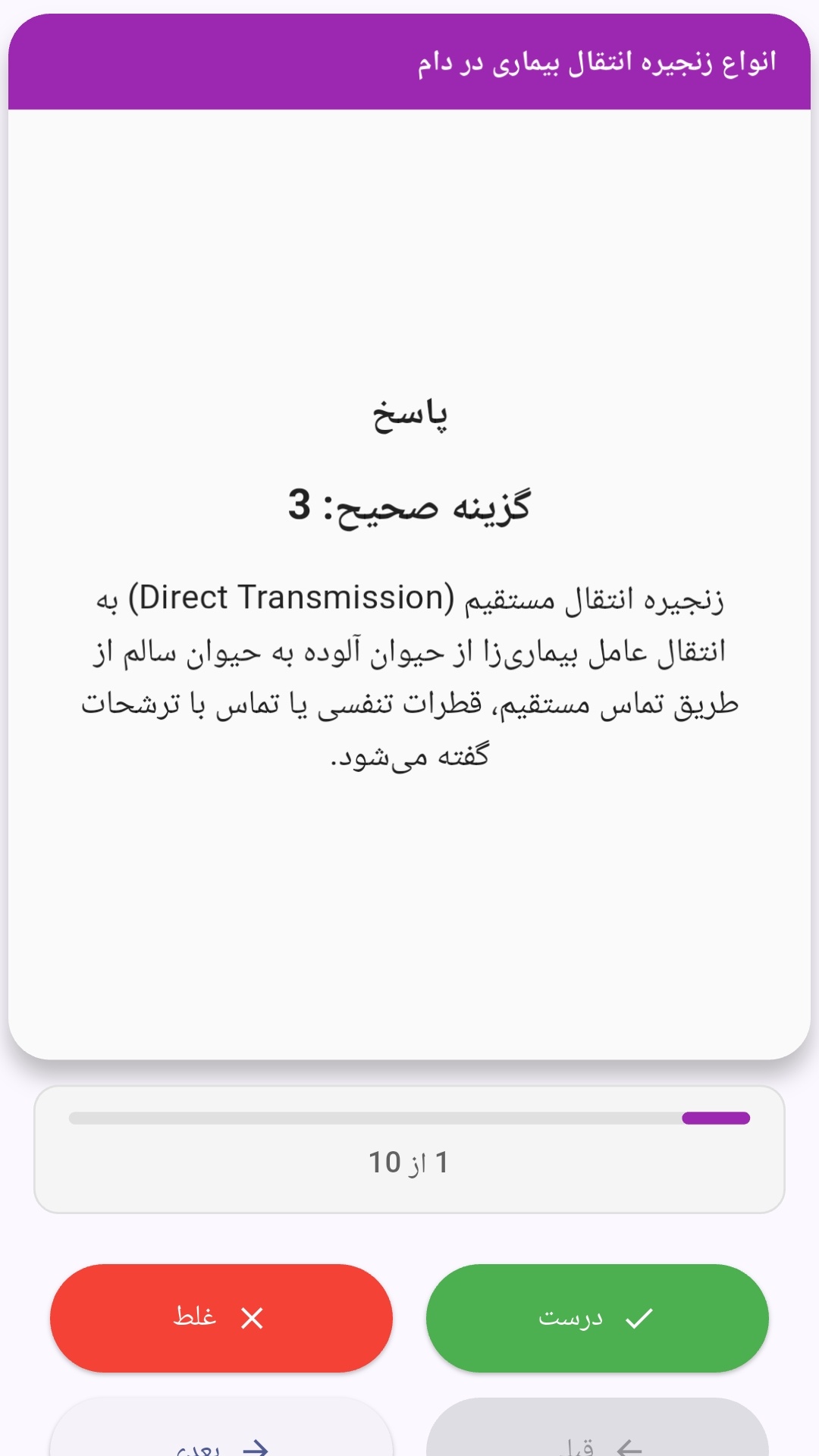
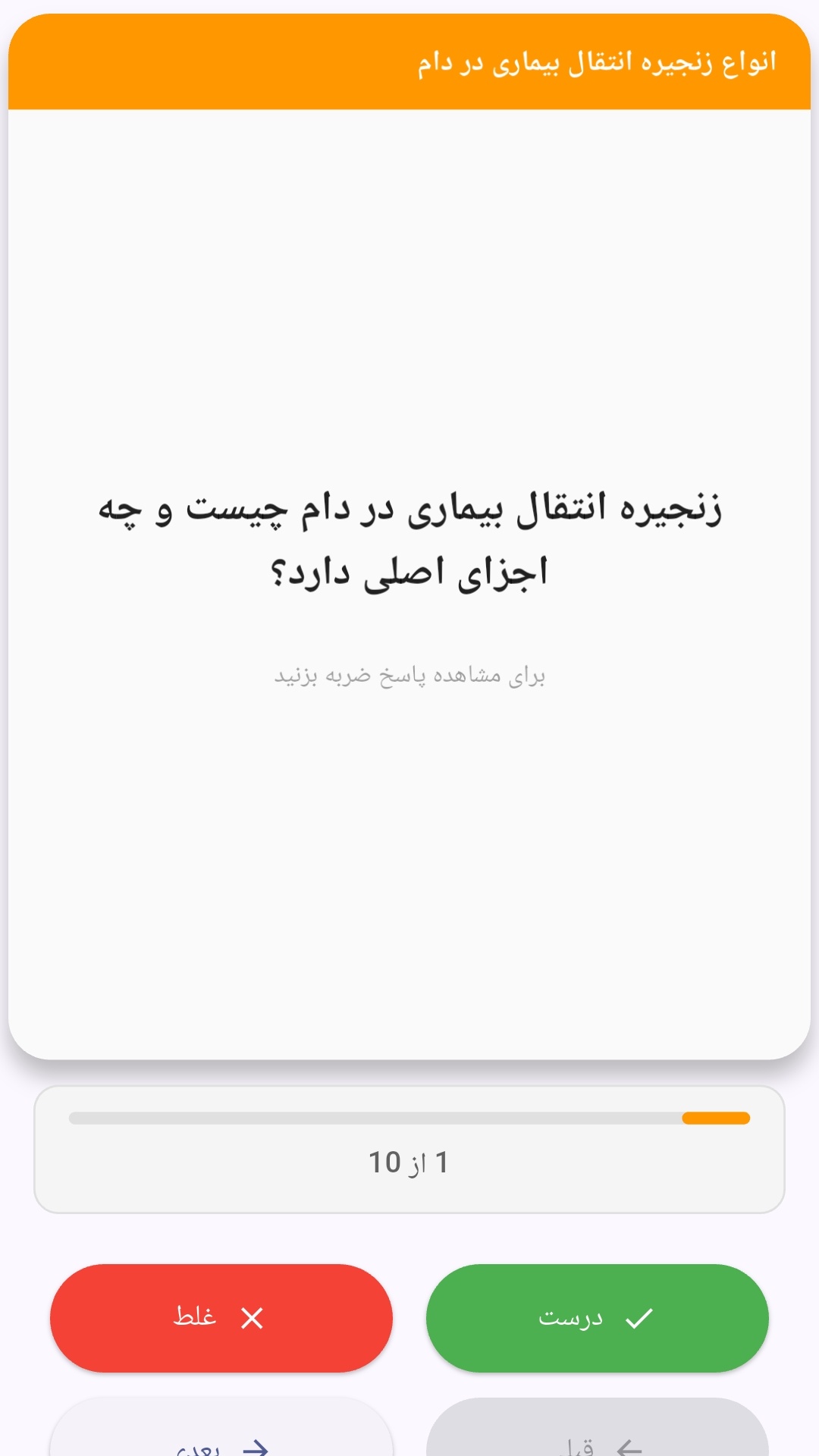
این اپلیکیشن فارسی برای یادگیری و مرور محتوای آموزشی از طریق فلشکارت طراحی شده است. کارتها را یکییکی مرور کنید، پاسخ پرسشها را به یاد بیاورید و نتیجه هر پاسخ را ثبت کنید. محتوای دوره پس از نصب درون برنامه در دسترس است تا برای مطالعه روزمره معمولاً به اتصال مداوم اینترنت نیاز نداشته باشید.
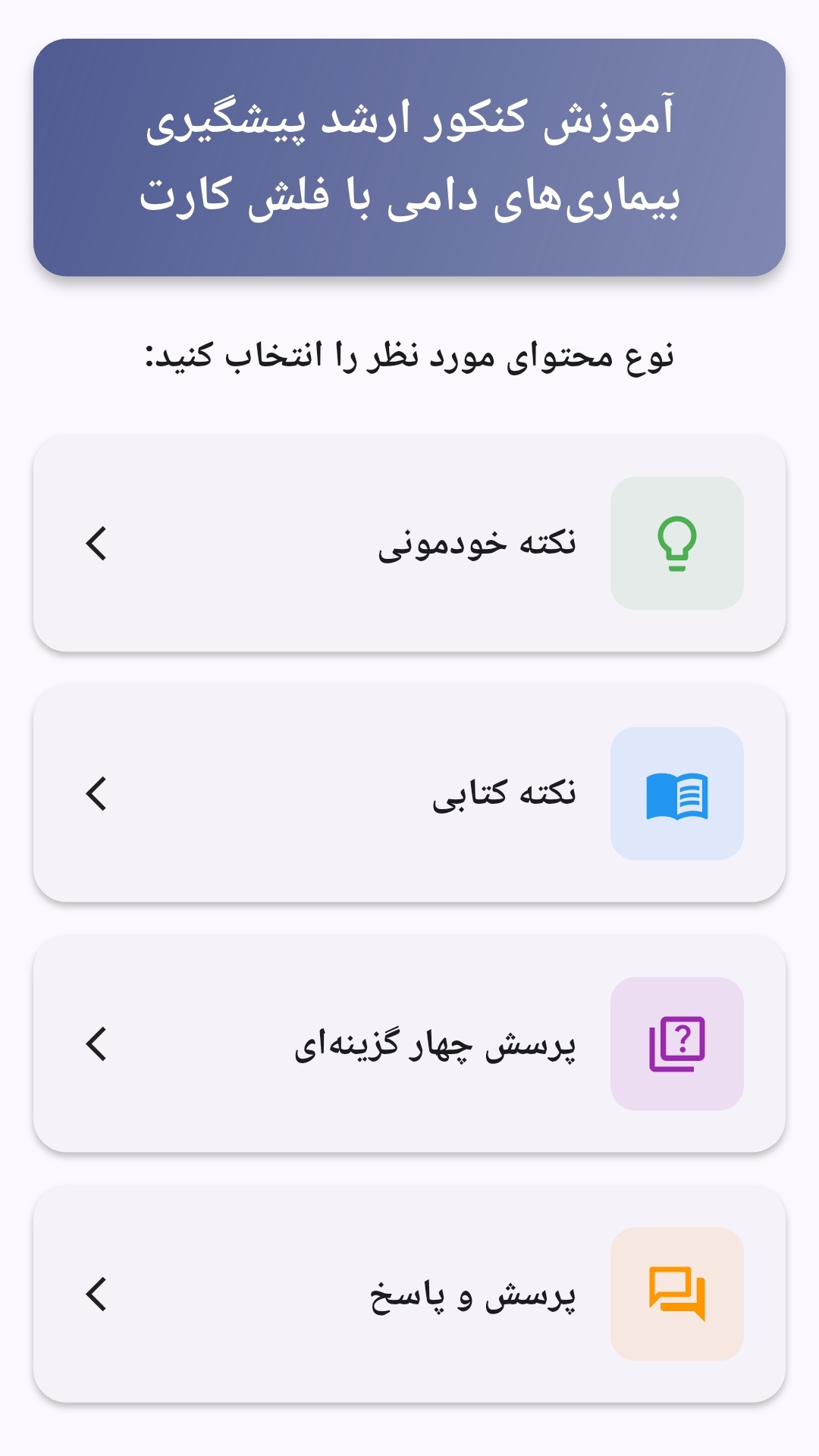
محتوای آموزشی در قالبهای متنوع ارائه میشود تا هم برای یادگیری مفاهیم جدید و هم برای تثبیت آموختهها قابل استفاده باشد.
- رابط کاربری فارسی و راستچین با فونت وزیر.
- تم روشن و تیره مطابق تنظیمات سیستم.
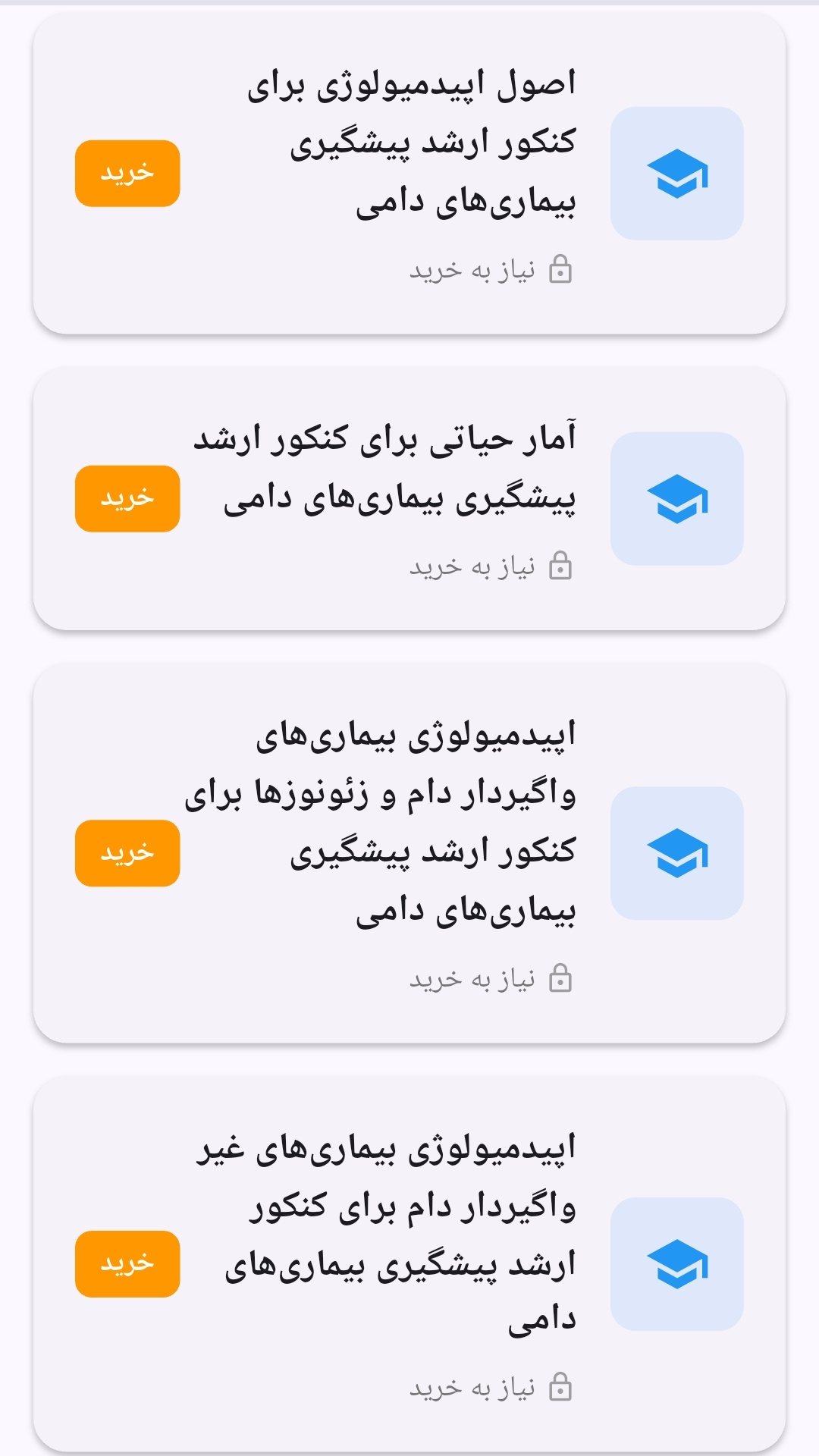
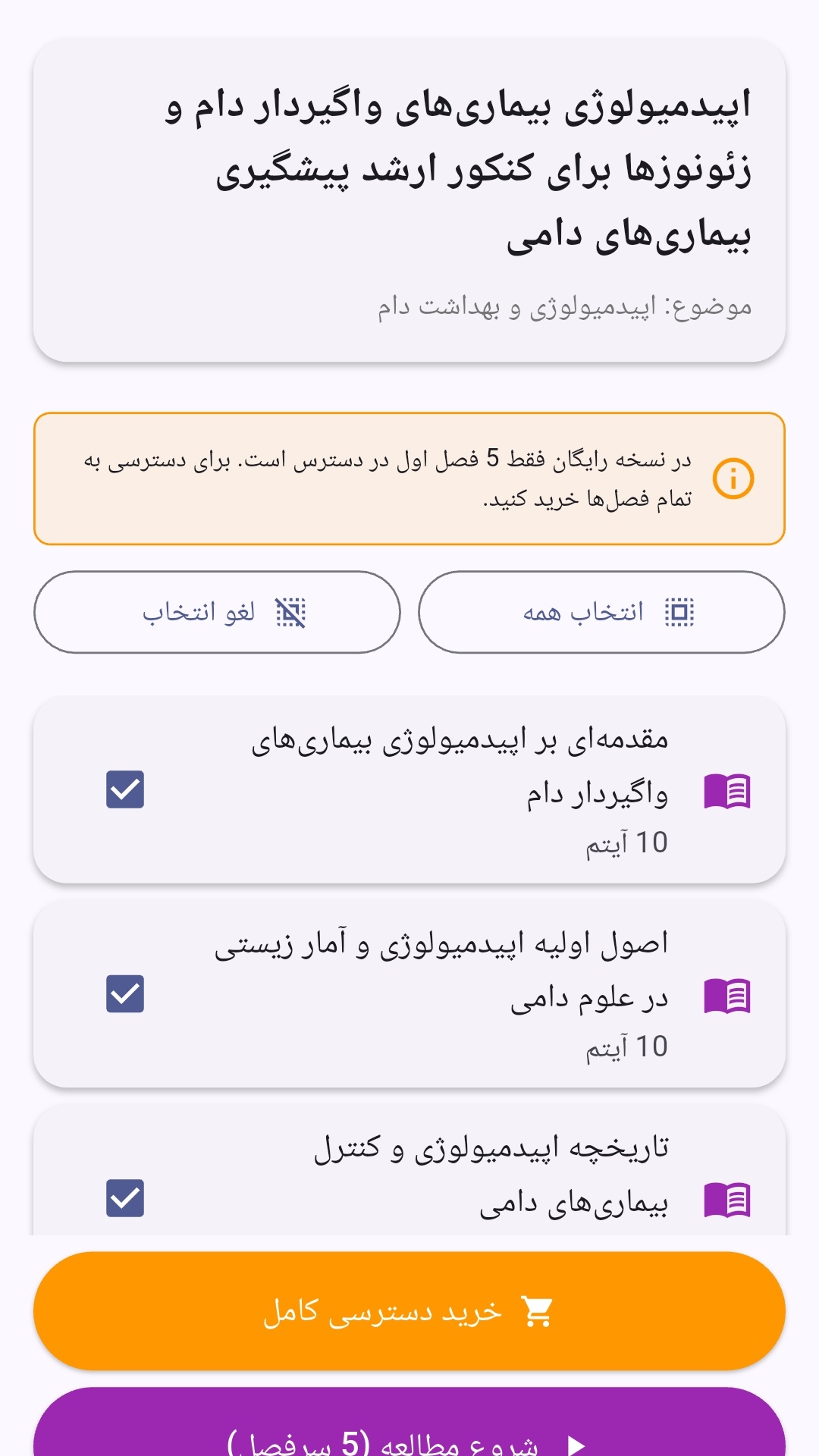
- صفحهبندی ساده برای انتخاب دوره و شروع مرور.
- نمایش تعداد دفعات مرور هر فصل.
- انتخاب چند فصل برای مرور همزمان.
- امکان تمرکز بر فصلهایی که هنوز مرور نشدهاند.
این اپلیکیشن برای دانشآموزان، دانشجویان، داوطلبان آزمونها و علاقهمندان به یادگیری طراحی شده است؛ بهویژه کسانی که میخواهند مطالب آموزشی را در زمانهای کوتاه مرور کنند، دانستههای خود را بسنجند و مطالعه منظمتری داشته باشند.
نظرات
هنوز نظری ثبت نشده است.
وارد شوید تا نظر ثبت کنید.