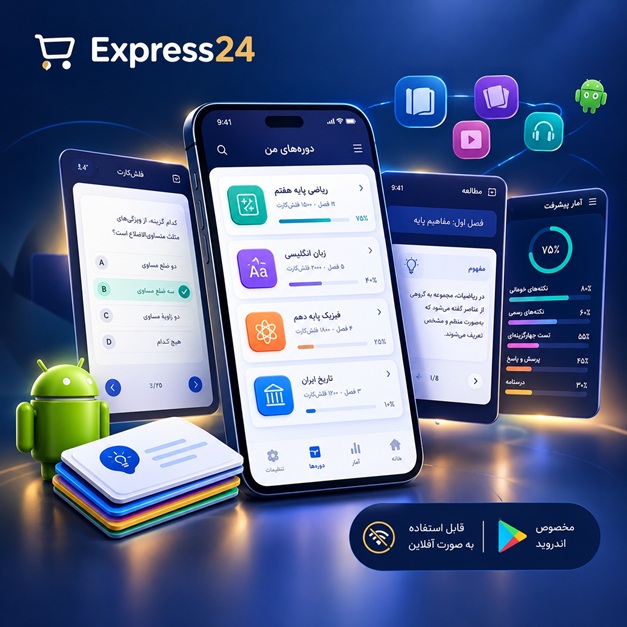
اپلیکیشن اندرویدی فلشکارت آموزشی معماری نرمافزار: Event Collaboration with choreography versus orchestration.
🎓 دوره آموزشی جامع
📚 اطلاعات دوره
عنوان دوره: دوره معماری نرمافزار: Event Collaboration with choreography versus orchestration.
موضوع کلی: برنامه نویسی
موضوع میانی: معماری نرمافزار
📋 سرفصلهای دوره
- 1. What is Software Architecture?
- 2. Importance of Architectural Decisions
- 3. Architectural Styles Overview
- 4. Monolithic Architecture: Characteristics and Limitations
- 5. Introduction to Distributed Systems
- 6. Core Challenges of Distributed Systems
- 7. Scalability, Reliability, and Resilience in Distributed Systems
- 8. Asynchronous Communication Fundamentals
- 9. The Motivation for Event Collaboration
- 10. Course Introduction and Learning Objectives
- 11. Microservices Architecture Principles
- 12. Domain-Driven Design (DDD) Overview
- 13. Bounded Contexts in Microservices
- 14. Service Decomposition Strategies
- 15. Introduction to Event-Driven Architecture (EDA)
- 16. Key Concepts of EDA: Events, Producers, Consumers
- 17. What Defines an Event? Structure and Content
- 18. Domain Events vs. Integration Events
- 19. The Publish-Subscribe Messaging Pattern
- 20. Role of Message Brokers in EDA
- 21. Message Queues and Topics
- 22. Key Characteristics of Message Broker Technologies
- 23. Choosing a Message Broker (e.g., Kafka, RabbitMQ, AWS SQS/SNS)
- 24. Event Schemas and Versioning
- 25. Event Stream Processing Basics
- 26. Data Consistency Challenges in Distributed Systems
- 27. Asynchronous vs. Synchronous Communication Revisited
- 28. Benefits of Adopting EDA
- 29. Common Pitfalls and Drawbacks of EDA
- 30. Event Storming for Architectural Discovery
- 31. Differentiating Events, Commands, and Queries
- 32. Understanding Commands and Command Handling
- 33. Understanding Queries and Query Handling
- 34. Introduction to Event Sourcing
- 35. Event Store: The Immutable Log of Changes
- 36. Rehydrating State from Event Streams
- 37. Snapshots and Performance in Event Sourcing
- 38. Benefits of Event Sourcing
- 39. Challenges and Complexities of Event Sourcing
- 40. Introduction to Command Query Responsibility Segregation (CQRS)
- 41. Separation of Read and Write Models in CQRS
- 42. Updating Read Models from Events
- 43. Advantages of CQRS
- 44. When to Apply CQRS (and When Not To)
- 45. Combining Event Sourcing with CQRS
- 46. Introduction to the Choreography Pattern
- 47. Principles of Decentralized Event Collaboration
- 48. How Choreography Facilitates Service Interaction
- 49. Event-Driven Chains and Reactions
- 50. Loose Coupling and Service Independence
- 51. Advantages of Choreography
- 52. Disadvantages and Potential Issues with Choreography
- 53. Implicit Workflows and Their Challenges
- 54. Monitoring Choreographed Event Flows
- 55. Debugging and Troubleshooting Choreographed Systems
- 56. Implementing Choreography with Message Brokers
- 57. Event Payload Design for Choreography
- 58. Correlation IDs for Distributed Tracing in Choreography
- 59. Example: A Choreographed Order Fulfillment Process
- 60. Design Best Practices for Choreography
- 61. Introduction to the Orchestration Pattern
- 62. Principles of Centralized Workflow Management
- 63. How Orchestration Directs Service Interactions
- 64. The Role of the Orchestrator Service
- 65. Advantages of Orchestration
- 66. Disadvantages and Coupling Risks of Orchestration
- 67. Designing the Orchestrator's Logic and State Machine
- 68. State Management within the Orchestrator
- 69. Implementing Orchestration with Workflow Engines (e.g., Camunda, AWS Step Functions)
- 70. Robust Error Handling in Orchestrated Workflows
- 71. Compensating Transactions in Orchestration
- 72. Example: An Orchestrated Order Fulfillment Process
- 73. Choosing an Appropriate Orchestrator Technology
- 74. Testing Orchestrator Logic
- 75. Design Best Practices for Orchestration
- 76. Choreography vs. Orchestration: A Direct Comparison
- 77. Key Trade-offs: Visibility, Coupling, Flexibility
- 78. Decision Framework: When to Choose Choreography
- 79. Decision Framework: When to Choose Orchestration
- 80. Hybrid Collaboration Approaches
- 81. Introduction to Distributed Sagas
- 82. Implementing Sagas with Choreography (Event-Driven Sagas)
- 83. Implementing Sagas with Orchestration (Orchestrated Sagas)
- 84. Ensuring Idempotency in Event Consumers
- 85. Retries, Backoffs, and Circuit Breakers in EDA
- 86. Dead-Letter Queues (DLQ) for Failed Messages
- 87. Understanding and Managing Eventual Consistency
- 88. The Outbox Pattern for Reliable Event Publishing
- 89. Change Data Capture (CDC) and Transaction Log Tailing
- 90. API Gateways and Event-Driven Frontends
- 91. Observability for Event-Driven Systems
- 92. Distributed Tracing of Event Flows
- 93. Centralized Logging Strategies
- 94. Health Checks and Monitoring Event Processors
- 95. Alerting for Critical Event Failures and Bottlenecks
- 96. Testing Strategies for Event-Driven Architectures
- 97. Unit, Integration, and Contract Testing for Services
- 98. End-to-End Testing of Event Collaboration Flows
- 99. Security Considerations in Event-Driven Systems
- 100. Future Trends in Event-Driven Architecture
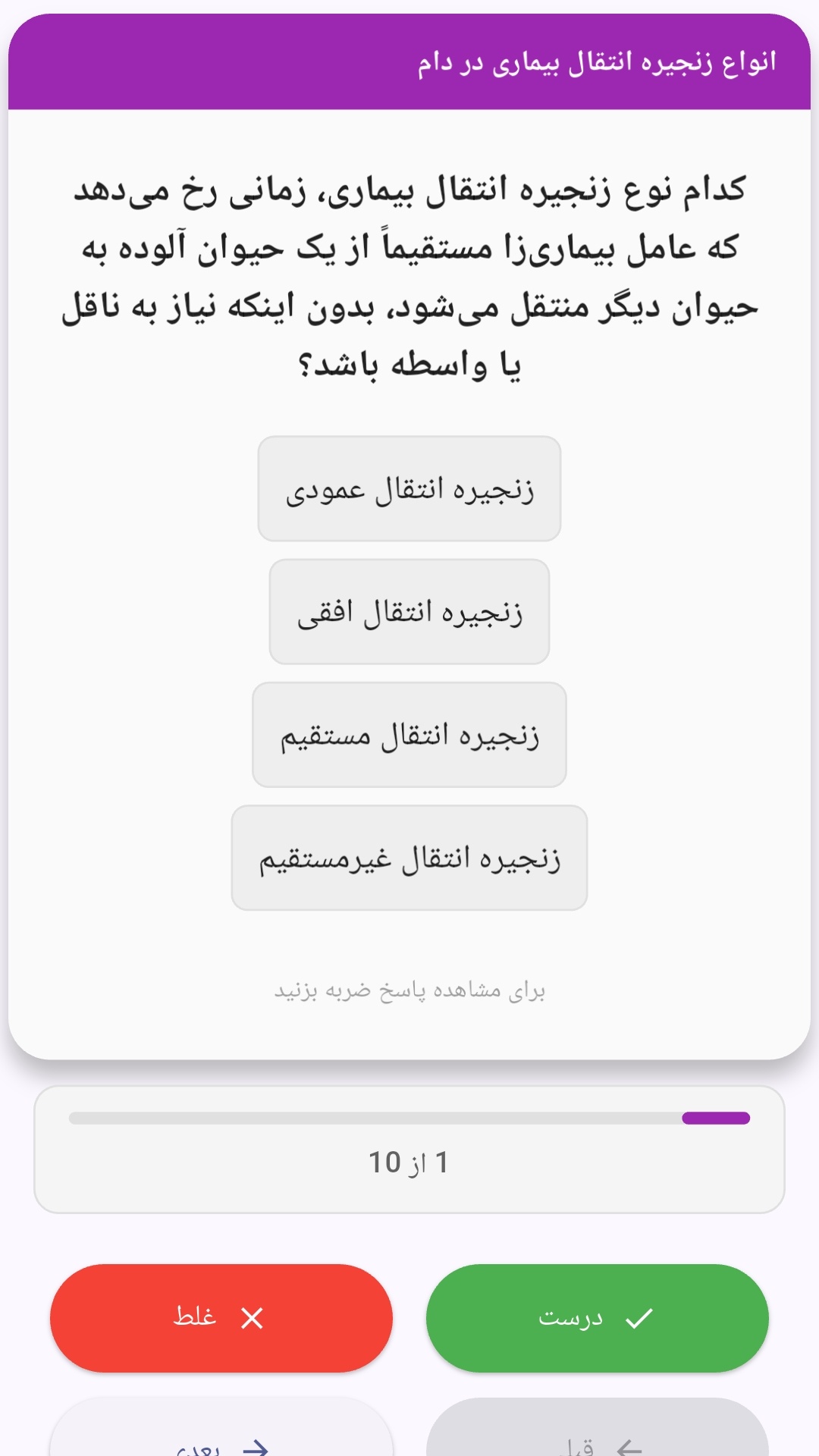
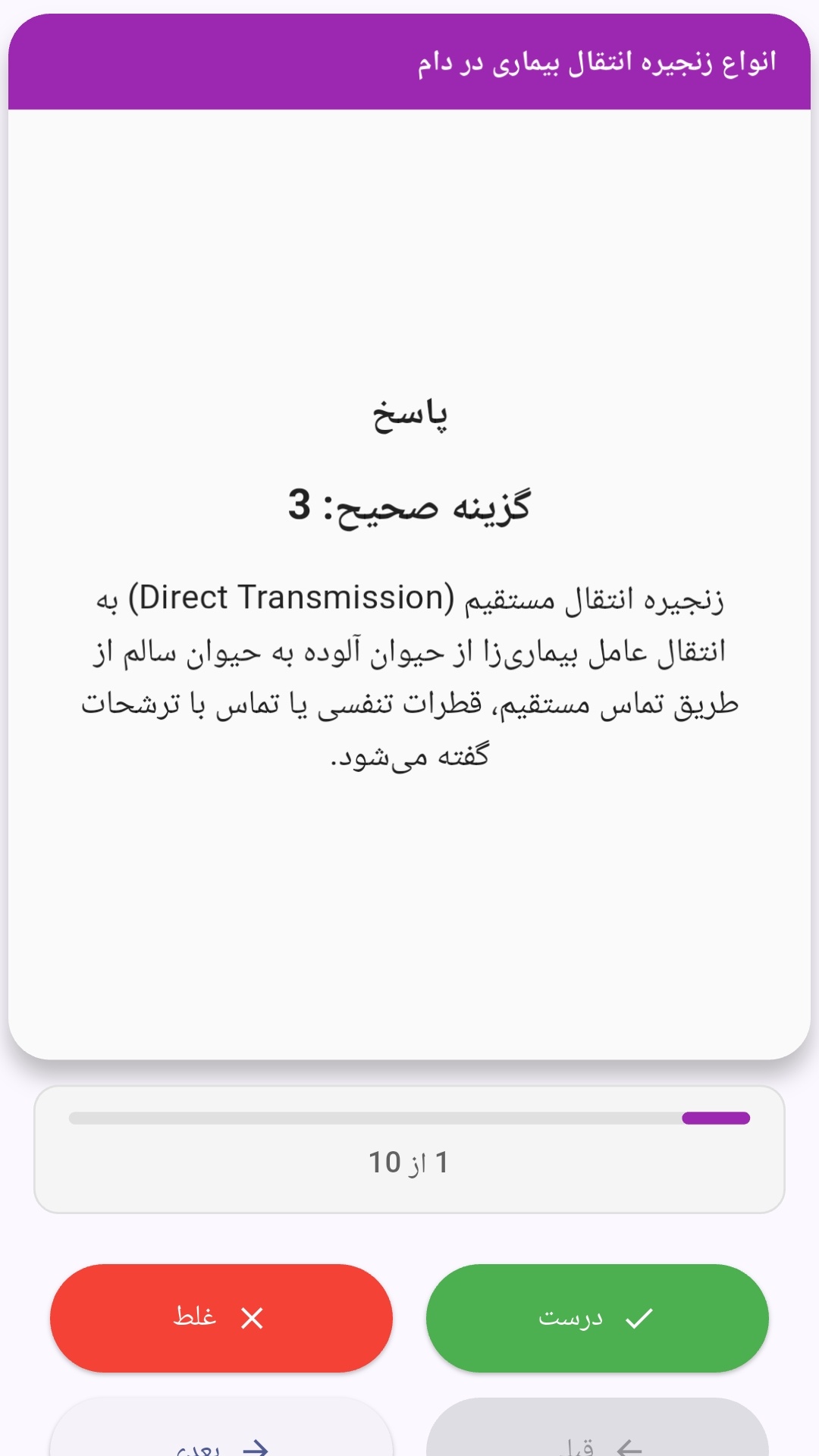
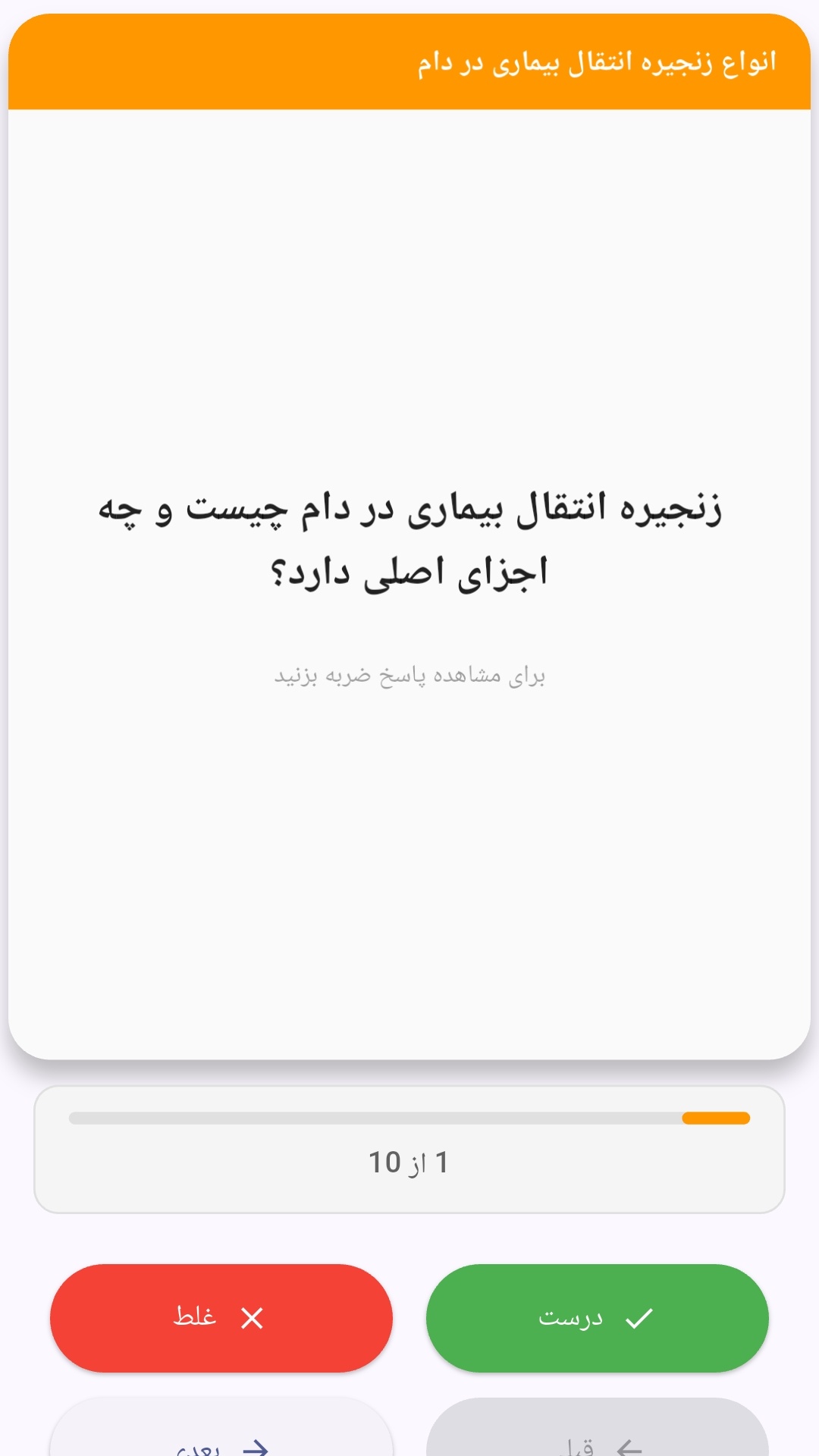
این اپلیکیشن فارسی برای یادگیری و مرور محتوای آموزشی از طریق فلشکارت طراحی شده است. کارتها را یکییکی مرور کنید، پاسخ پرسشها را به یاد بیاورید و نتیجه هر پاسخ را ثبت کنید. محتوای دوره پس از نصب درون برنامه در دسترس است تا برای مطالعه روزمره معمولاً به اتصال مداوم اینترنت نیاز نداشته باشید.
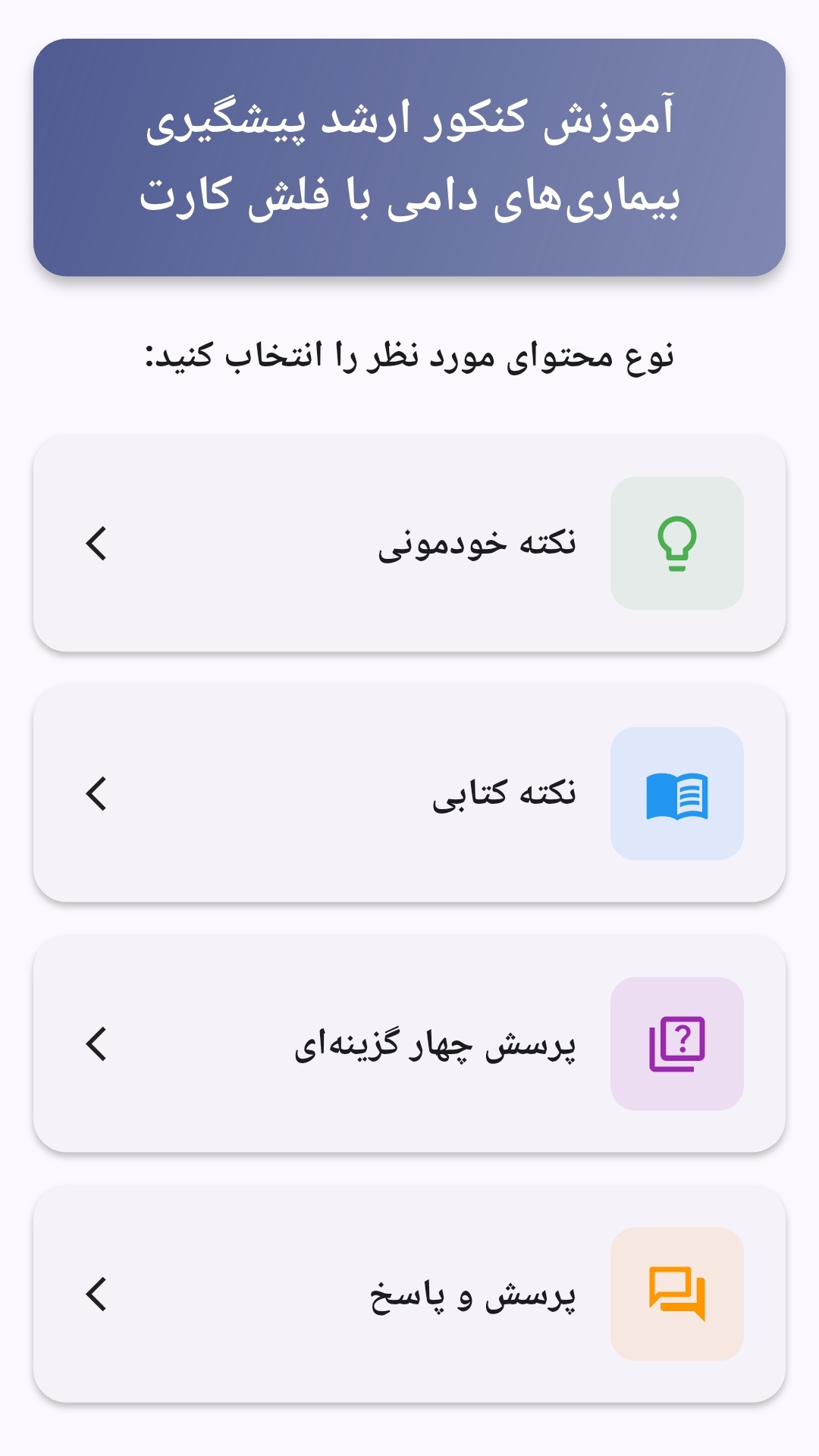
محتوای آموزشی در قالبهای متنوع ارائه میشود تا هم برای یادگیری مفاهیم جدید و هم برای تثبیت آموختهها قابل استفاده باشد.
- رابط کاربری فارسی و راستچین با فونت وزیر.
- تم روشن و تیره مطابق تنظیمات سیستم.
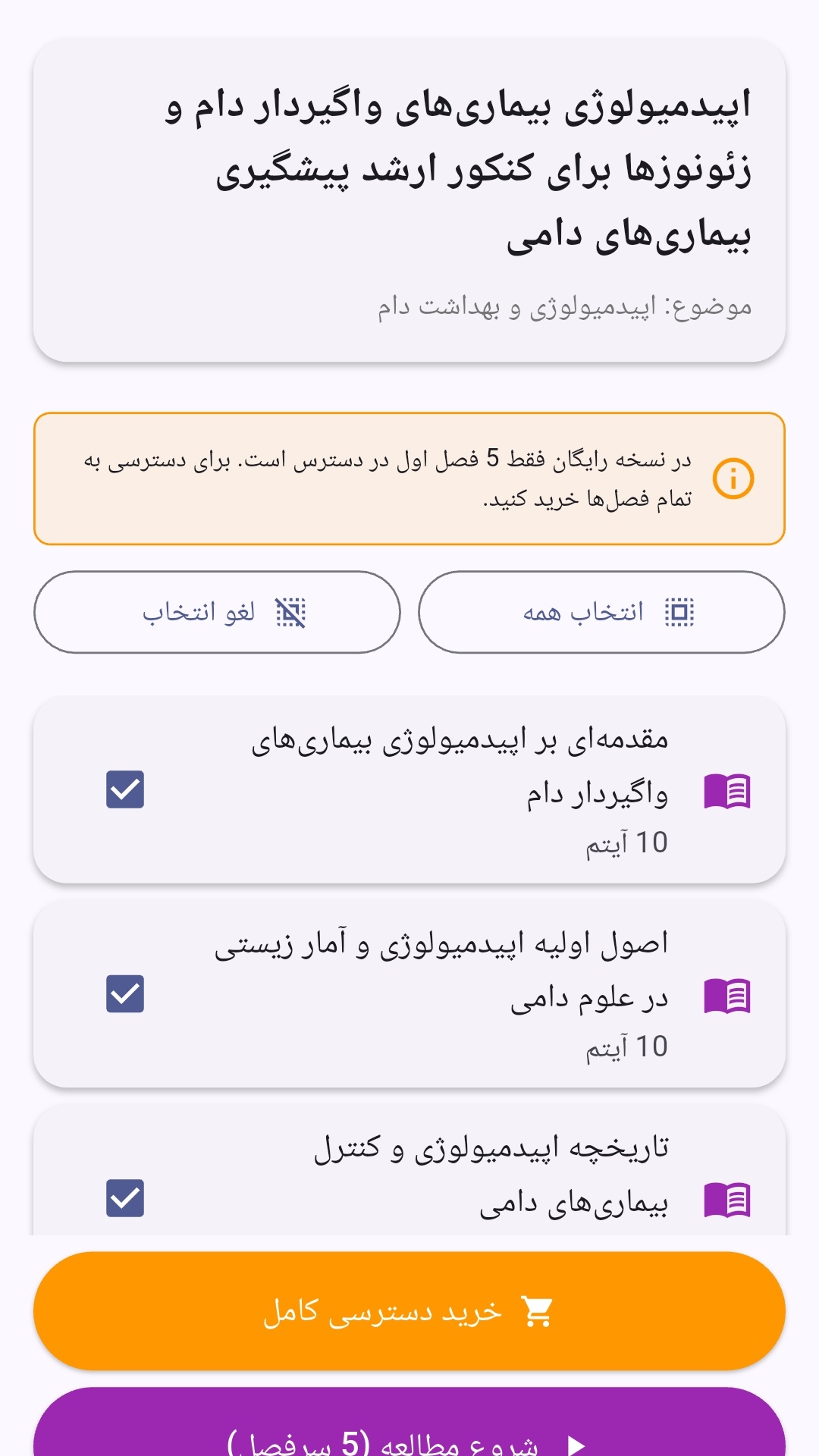
- صفحهبندی ساده برای انتخاب دوره و شروع مرور.
- نمایش تعداد دفعات مرور هر فصل.
- انتخاب چند فصل برای مرور همزمان.
- امکان تمرکز بر فصلهایی که هنوز مرور نشدهاند.
این اپلیکیشن برای دانشآموزان، دانشجویان، داوطلبان آزمونها و علاقهمندان به یادگیری طراحی شده است؛ بهویژه کسانی که میخواهند مطالب آموزشی را در زمانهای کوتاه مرور کنند، دانستههای خود را بسنجند و مطالعه منظمتری داشته باشند.
نظرات
هنوز نظری ثبت نشده است.
وارد شوید تا نظر ثبت کنید.